Home Destinations Bali: the Indonesian island is much more than a beach
An exuberant Hindu enclave in the world's largest Muslim country, BALI is an eccentricity without parallel in the Indonesian archipelago. The mystery of this island overlooking the Indian Ocean, dotted with temples, volcanoes and rice paddies, remains intact, despite the more than five million tourists who visit it every year. It's one of those miracles that there's no point in trying to explain: let's immerse ourselves in it unreservedly, while it lasts.
A Journey to Bali: Beyond Beaches
As we embark on a ferry from the eastern end of Java to Balinese territory, we find ourselves in the midst of a unique convergence of cultures. Bali, an island of mesmerizing beauty, stretches across six thousand square kilometers, offering a captivating blend of beaches, temples, volcanoes, and rice paddies.
With the Bali Sea to the north and the Indian Ocean to the south, this Indonesian paradise presents a striking contrast between the dominant Javanese culture and the sheer eccentricity that draws in over five million tourists each year. Surpassing the local population in numbers, these visitors indulge in the unbridled hedonism while delicate devotional practices find their place in this vibrant Hindu enclave within the world's largest Muslim nation.
To the west lies Java, a bustling epicenter of Indonesia's politics, economy, culture, and demographics, while Bali, positioned to the east, resonates with its own magnetic charm. The journey across the Bali Strait, passing through Banyuwangi and arriving at Gilimanuk, marks the transition from one world to the other - a bridge between realms.
Beyond the enticing beaches that have made Bali famous, this island offers a treasure trove of diverse experiences. From exploring ancient temples that carry the weight of centuries to witnessing the raw power of volcanic landscapes, Bali is a destination that promises wonder and adventure at every turn.
Discover the magic of Bali and immerse yourself in its unparalleled beauty today!
As we land in Bali, we are instantly transported to another world. The vibrant volcanic landscape and lush greenery create a surreal environment that is both captivating and familiar. Street vendors selling snacks, water, and various goods add to the lively atmosphere, allowing us to immerse ourselves in the local culture.
Walking towards Kuta, the most popular tourist destination in Bali, I catch a whiff of a familiar fragrance in the air. Drawing closer to a captivating white flower on the ground, I confirm that it's the iconic frangipani flower. Throughout my time in Bali, I'll encounter this enchanting bloom adorning welcome necklaces and Hindu offering trays. It's like a piece of home, reminding me of the sweet, floral scents of Mozambique, but with a touch of Indonesian flair.
Experience Bali's unique blend of natural wonders, cultural traditions, and warm hospitality. Explore its breathtaking beaches, indulge in traditional cuisine, and embrace the vibrant spirit of this enchanting island.
As you get off the ferrya van is waiting for us to tear across the savannah towards Kuta. A six-hour journey with only short stops to stretch our legs (we eat on the road to save time); six hours in which, after leaving behind the mountainous and verdant silhouette of Bali Barat National Park, the van's window will look like a cinema screen: As we roll along, the neon lights of all kinds of establishments, the high-voltage pylons always crammed with wires and telecoms cables, the flashy, almost cacophonous advertising posters, follow one another at a speed that is little short of dizzying, the gigantic statues of Hindu deities that watch over every roundabout, the zigzagging cars and buses, and people, people, people, more and more cars, buses and people as we approach Denpasar, the island's frenetic and always congested capital.
Despite its dusty appearance, Bali holds a special place in my heart, standing out as a unique destination among all others. Contrary to my expectations, the island has always been home to my soul, flourishing within the fragrant frangipani trees. As I reached out to touch the tree and pluck a delicate blossom, I couldn't help but be captivated by its intoxicating fragrance. A deep sense of tranquility washed over me as I ventured out onto the balcony, where the vast expanse of the ocean playfully flirted with my gaze. It reminded me of the poignant words spoken by Mia Couto's pangolin:
"This is where the earth reveals its raw beauty, unveiling an eternity where time surrenders."
Mia Couto's evocative novel, The Balcony of Frangipani, perfectly captures the essence of Bali.
As our journey begins, our first stopover is in Kuta, a destination that offers so much more than just pristine beaches. Kuta is a vibrant hub, where a unique beach culture thrives day and night. This resort town, strategically located near the airport, attracts a steady stream of Western tourists seeking both thrilling waves and unforgettable parties. Despite the brief setback caused by the 2002 terrorist attacks, Kuta quickly bounced back and remains a top choice for travelers around the world.
The streets of Kuta are a pulsating and eclectic mix of bars, discos, restaurants, hotels, and shops, teeming with holidaymakers in search of never-ending excitement. The tranquil fishing village that once was Kuta has long faded into the past, as it transformed into a paradise for surfers and hedonists in the early 1970s. Today, Kuta stands as a testament to the ever-evolving spirit of adventure that characterizes Bali. It's not just Kuta that provides a unique sense of adventure on this tropical paradise known as Bali. Other parts of Bali, such as Ubud, are also rich in wonders and worth experiencing. Ubud, in particular, is known for its lush forest, terraced rice paddies, and the comforting surroundings of its many hotels on https://www.all-balihotels.net/en/ubud-hotels-15271/. Providing a tranquil escape from the hubbub of Kuta, Ubud is a destination that will enchant every discerning traveler.
If you're seeking the authentic side of Bali, you won't find it in Seminyak or Kuta, but rather in the lesser-known coastal towns that embrace the island's Hindu rituals and traditions. While Seminyak offers a more refined atmosphere with upscale restaurants and attentive service, it still shares the burden of overdevelopment. Fortunately, Canggu, a short distance away, provides a haven for discerning travelers seeking a beach resort experience without the overwhelming crowds and soulless structures that plague its neighboring towns.
With boutique hotels overlooking the beach, idyllic sunset bars, organic food restaurants, and top-notch cafes serving the finest Indonesian coffee beans, Canggu has curated an enticing environment for Western visitors. It is worth noting that some of the finest beans used in these cafes are sourced locally, adding to the authenticity of the experience. Escape the tourist traps and immerse yourself in the true essence of Bali in the off-the-beaten-path oasis of Canggu.
If you venture southwards from Bali's main attractions, you will discover a hidden gem on the island - the exquisite sandy beach of Jimbaran, where countless grill restaurants offer tantalizing fish and seafood feasts. Situated on the verdant Bukit peninsula, this southwestern tip of Bali is a serene oasis that gazes out over the vast Indian Ocean. As you stand atop a dramatic cliff, gazing at the breathtaking views, you will find the ancient and enchanting Temple of Uluwatu, a Hindu place of worship that has stood strong since the 11th century.
Drawn to the island's captivating spirit or enticed by the idea of a dreamy wedding location, many foreigners are irresistibly drawn to Bali for their special ceremony.
Immerse yourself in the idyllic ambiance of Jimbaran's sandy shores while indulging in a delectable seafood feast. Alternatively, take a journey to the mystical Temple of Uluwatu, perched majestically on a cliff overlooking the mesmerizing Indian Ocean. Discover a wealth of enchanting experiences and serene beauty in these southern corners of Bali.
Upon our arrival, we are handed the sarong, a traditional garment worn in Hindu temples and embraced by both men and women in this part of Asia. As we venture into the serene realm of Bali, where the expansive sky seems boundless, our guides remind us to remain cautious with our possessions. This caution is due to the mischievous yet endearing company we'll have throughout our visit: the monkeys. Thriving in their natural habitat, these playful creatures entertain themselves by cunningly pilfering from the unsuspecting and disappearing into the depths of the lush forest.
Immersing ourselves in the spirituality of the temple, we take in the breathtaking sight of the temple against the backdrop of the vast sea. The sarong serves as a reminder of the significance of this Hindu place of worship, while the comical antics of the monkeys add an unexpected element of excitement to our experience. It is these unique aspects, coupled with the natural beauty that envelops the island, that make Bali so much more than just a beach destination.
As the sun sets over the Indian Ocean, a captivating spectacle unfolds on the island of Bali. The Ramayana, a timeless Hindu epic, takes center stage, brought to life through stunning recreations. Whether you're exploring Bali or venturing into neighboring Java, the presence of this legendary tale is ubiquitous.
The island's rich cultural heritage has weaved itself into the fabric of local folklore, inspiring a vibrant repertoire of classical Balinese dances. Even as modern tourism flourishes, the essence of Bali's unique culture remains untouched, evident in the mesmerizing kecak show that concludes a visit to the Uluwatu Temple at sunset. While tailored for tourists, this performance serves as a testament to the enduring allure and enigma that Bali holds, defying the creeping grip of massification.
Amidst this enchanting ambiance, I find solace, raising my glass of Bintang beer in a toast. Here, the spirit of Bali lingers, casting an irresistible spell that is yet to be extinguished.
Beyond the Pristine Beaches: A Glimpse into Bali's Rich History
In 1512, European explorers set their sights on Bali, an island shrouded in mystery. While on their way to the Moluccas, Portuguese navigators stumbled upon this enchanting land, which was already steeped in ancient Hindu traditions. Notably, António de Abreu and Francisco Serrão encountered Bali during their journey, ultimately placing it on the map of Southeast Asia drafted by the renowned cartographer Francisco Rodrigues.
Exploring Bali means indulging in more than just picturesque beaches; it means immersing oneself in a tapestry of culture and history. With its vibrant green rice paddies and crystal-clear blue waters, Bali's beauty is renowned worldwide. However, its allure extends beyond its natural splendor, as it boasts a rich religious heritage which has shaped the island throughout the centuries. From intricate temples to age-old traditions, Bali offers visitors a truly captivating experience.
If they had stayed there, the Portuguese would have found a peculiar cross between Indian and Chinese cultural elements and indigenous animist traditions, a syncretic puzzle that dates back to the first century of the Christian era. Later, the current Hindu dominance (according to the 2010 census, 83.5 per cent of the population profess Hinduism and only 13.4 per cent of Balinese are Muslims) dates back to the time when, swept away by Islam, the Indianised communities of Java migrated to Bali, where, far from the more canonical centres of religious diffusion, they developed a Hinduism that was completely separate.
The seamless integration of Hinduism into Indonesia's constitution, despite its aversion to polytheistic religions, is a testament to the intelligence and grace of this island's inhabitants. Bali is a place where religious devotion is not merely confined to legislation but deeply woven into the fabric of daily life. Every family, clan, and village boasts its own temple, and ancient rituals shape the bustling routine that grows more evident as we journey closer to Bali's heart. The roads that slice through the island, once covered in dense jungle, now wind through verdant palm groves and fields of crops, creating a captivating backdrop.
This harmonious coexistence between religion and everyday activities offers fascinating insights into the cultural tapestry that makes Bali a captivating destination. It is a testament to the profound influence of ancient customs and traditions that have withstood the test of time. As we traverse the island's interior, the rich heritage embedded in every temple and witnessed through traditional rituals serves as a reminder of Bali's deep spiritual roots, elevating it beyond a mere tropical paradise.
In Bali, there is a fascinating abundance of over ten thousand temples scattered across the island. These temples, together with the captivating rituals that unfold daily, create an atmosphere of profound exuberance against the backdrop of majestic mountains and terraced rice fields. It is amidst this breathtaking scenery that the Balinese have honed their cooperative and eco-friendly irrigation system, known as the subak, since the 9th century. This remarkable system, recognized by UNESCO as a cultural landscape in 2012, perfectly embodies the underlying philosophy of the unique Hinduism practiced in Bali - the Tri Hita Karana.
The Tri Hita Karana, translated as "the three origins of well-being," emphasizes the pursuit of harmony in three key dimensions: harmony with God, harmony among people, and harmony with nature. Every aspect of Bali's landscape, from the verdant rice paddies to the intricate temple architecture, is a testament to this profound belief in the interconnectedness of the divine, human, and natural realms. The resplendent green rice paddies, for instance, serve as a visual manifestation of the harmonious relationship that exists between these three elements. They symbolize the existence of order and balance in this enchanting Indonesian paradise.
Partly adopted from pre-existing animist beliefs, the idea that God is present in all things guides centuries-old practices of respect for the environment in Bali. In June 1860, when the Welsh naturalist Alfred Russel Wallace passed through, he was "at once astonished and marvelled" at what he saw in front of him: "I had never contemplated a region so beautiful and so well cultivated outside Europe (...). Houses and villages, marked by dense clusters of palms, tamarind trees and other fruit trees, spread out in all directions; between them stretched luxuriant rice fields, irrigated by an elaborate irrigation system that would be the pride of the best cultivated parts of Europe," he wrote in his treatise on the Malay Archipelago. "The subak system of democratic and egalitarian cultivation practices has enabled the Balinese to become the most prolific rice producers in the archipelago despite the challenge of sustaining a dense population," UNESCO would ratify more than 150 years later when it declared this landscape a World Heritage Site.
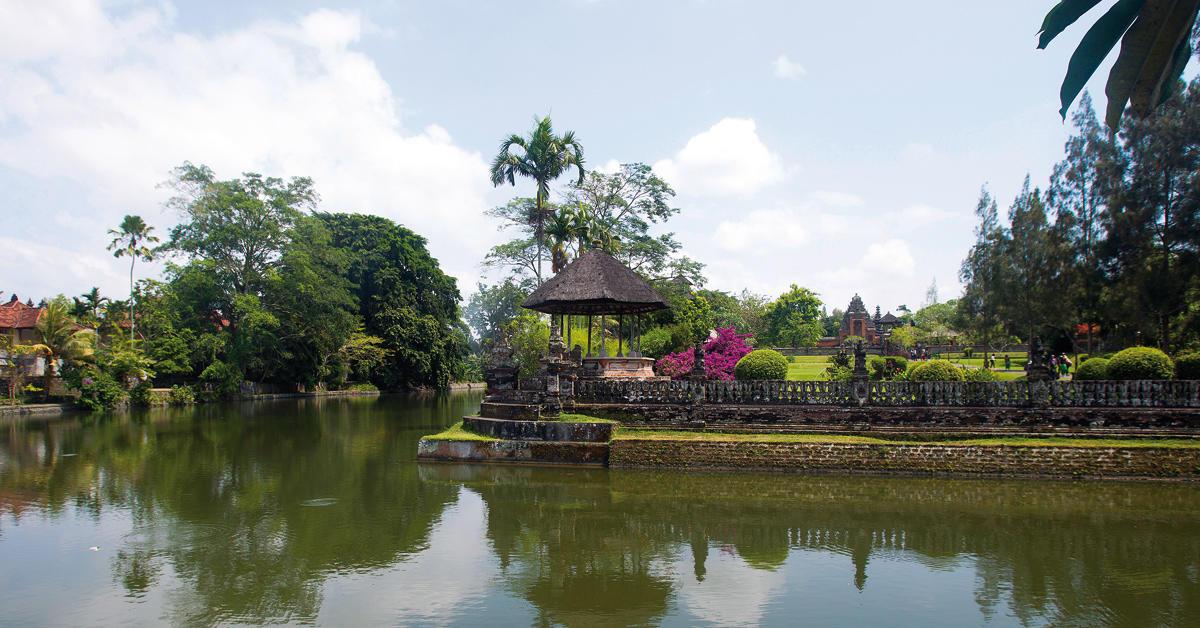
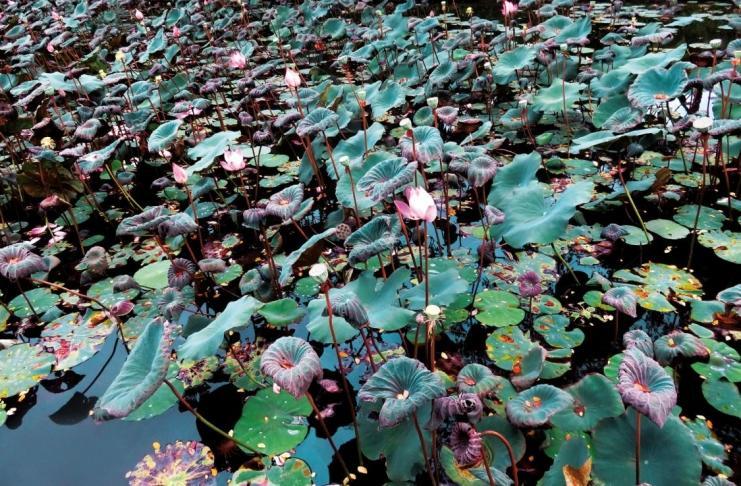
The serene philosophy of Subak, deeply ingrained in Balinese culture, manifests itself through the mesmerizing water temples scattered across the island. Among these, Taman Ayun stands as one of the most significant. Originally constructed in 1634 and subsequently restored in 1937, this majestic temple resides within the confines of a colossal moat. Step onto its sacred grounds, and you will be greeted by an ensemble of soaring meru towers - striking edifices that epitomize the devotion found in Hindu, Jain, and Buddhist architectural traditions. Encircling these magnificent structures are pools adorned with vibrant lotus flowers, amplifying the island's already extraordinary fertility.
Intriguingly, Taman Ayun is not the sole sanctuary flourishing in Bali. While exploring the island, one might chance upon numerous other water temples, each sharing the same essence of harmonious coexistence with nature. These awe-inspiring landmarks serve as testaments to Bali's profound spiritual heritage and its enduring commitment to preserving the delicate balance between humans and the environment.
Bali, the Indonesian island, adheres to the principles of Tri Hita Karana in its architecture, setting it apart from other destinations with towering skyscrapers. The island's strict regulations ensure that no building stands taller than its temples and religious statues, creating a unique and culturally rich atmosphere.
In August 2018, a new cultural park was established in the southern part of Bali, featuring one of the world's largest statues standing at an astounding height of 120 meters. This colossal masterpiece, created by renowned sculptor Nyoman Nuarta, portrays the majestic figure of Vishnu riding a faithful Garuda.
Although we didn't have the opportunity to visit the cultural park, the towering silhouette of the statue could be seen from miles away, leaving a lasting impression on all who beheld it. Interestingly, there were debates surrounding the construction of this monumental project, with concerns raised about its mammoth dimensions and potential disruption to the spiritual equilibrium of the island.
Despite these reservations, Bali continues to maintain its spiritual harmony, embracing its rich cultural heritage and stunning natural beauty. It truly is an island that offers so much more than just sun-drenched beaches, as it captivates visitors with its commitment to architectural tradition and reverence for its sacred sites.
On the way to the centre
As commercial as even the spiritual has become in Bali (just count the countless resorts promising zen retreats and the glory of nirvana in exchange for a credit card with a large balance ), even a short immersion of a few days on this island opens doors to another dimension, alien to the routines and protocols of global capitalism; a kind of parallel universe of communion with nature that manifests itself in the offerings laboriously made, from sunrise to sunset, by hands and arms of different generations, hands and arms that have the gift of composing small works of art with banana leaves, flower petals, grains of rice, incense sticks and pieces of tropical fruit. Wherever we are, every morning we find these explosions of colour at the entrances to houses, temples, shops and bedrooms; at the feet of statues of Hindu gods and on the edges of lakes and ponds where lotus flowers multiply wildly.
More than a distant religious paradigm, the animism that has found a powerful alliance here with the Hindu matrix serves the Balinese as a guide for everyday life: the good spirits, they believe, are everywhere and should be honoured continuously. Even those who are just passing through will inevitably come across one of the countless religious ceremonies that take place every day in Bali, signalled by the improvised processions of men, women and children dressed in full costume, always with a basket of offerings in their hands: celebrations of this or that god, seasonal rituals, weddings... On the way to the centre of the island, you come across several, literally camped out on the side of the road, in tents and outriggers. Traditionally arranged between families of the same caste, today they are beginning to escape this superintendence - but it's still necessary to get the parents' yes before the bride and groom's yes can be made official.
Wedding traditions in Bali are deeply rooted in the cultural heritage of each village, taking into account the complex Balinese calendar known as Pawukon, which follows an annual cycle lasting for 210 days. This unique calendar system shapes the length and grandeur of wedding celebrations, providing a vibrant and festive atmosphere. Foreigners are drawn to Bali not only for its breathtaking natural beauty but also for the opportunity to experience the richness of Balinese wedding customs.
As a result, Bali has become a sought-after destination for couples desiring a romantic and memorable wedding ceremony. Recognizing this trend, businesses in the tourism industry, like Blue Point Bay Villas & Spa located in Uluwatu, have developed dedicated wedding packages tailored to meet the diverse needs and preferences of soon-to-be married couples. These packages offer a range of options, from elegant wedding chapels strategically positioned between stunning infinity pools and the mesmerizing sea, to accompanying musical arrangements and floral arrangements to enhance the celebration.
However, let's not lose sight of our destination - the heart of Bali. Although we may not be able to explore the entire island on this visit, missing out on the northern and eastern regions, we are still drawn towards the lush coffee plantations and rice paddies that thrive in Bali's rich volcanic soil. And while we won't be making a stop in Ubud, the mecca for a different breed of tourists, those seeking to immerse themselves in the Balinese cultural and spiritual heritage, there are plenty of other opportunities to delve into the realm of body and mind throughout the congested city center. Countless yoga, meditation, and wellness retreats await, catering to those eager to deepen their understanding or simply enjoy healthier, more organic cuisine than anywhere else in Indonesia.
Along our journey, we'll encounter the harmonious blending of traditions and natural beauty that make Bali unique. The island's commitment to preserving its cultural roots is evident in every aspect of daily life, from the vivid ceremonies and dazzling dances to the intricate handicrafts that showcase local artisans' talent. Exploring Bali opens up a world of vibrant colors and flavors, where ancient temples stand gracefully against the backdrop of lush landscapes, and hidden waterfalls reward those who venture off the beaten path. This remarkable corner of Indonesia offers far more than just picturesque beaches; it is a true treasure trove of experiences waiting to be discovered.
Outside the Ubud bubble, but just around the corner, life goes on as it has for centuries in the rice paddies. But not in Tegalalang, where every day hundreds of tourists stop, take photos and continue on their way. The lush green of these prodigiously terraced fields, which at certain times of the year, when flooded, mirror the clouds and the sun in their unpredictable transits across the sky, is irresistible.
Organised into a cooperative, the peasants who make their living there, and whose wandering up and down the terraces now also crosses paths with outsiders, no longer live solely off the rice - the small amount of money they charge tourists is a way of ensuring the conservation of a landscape and a way of life that might otherwise have been destroyed by touristification, allowing the (sometimes cartoonish) coexistence between the selfie sticks that visitors wield with the usual frenzy of Instagram culture and the baskets perched on the shoulders of the locals who move as serenely as they still can through their now invaded rice fields. It's a fact: Tegalalang's rice fields are the most photogenic on the island, but certainly not the most tranquil or authentic. You only have to go off the beaten tourist track for a little while and, half an hour or less from the centre of Ubud, you'll find yourself in rice paddies as far as the eye can see, where the tourists can be counted on the fingers of one hand and the farmers can finally devote themselves to their crops in peace and quiet.
The resort of Kuta is synonymous with beach culture: a mecca for surfers, hedonists, beach lovers and night owls.
Bali's famous coffee plantations have also become a tourist attraction - although not as popular as the rice paddies, at least not yet. Farms such as the Bali Pulina Plantation in Gianyar (a small town known for its lively night market) allow outsiders to familiarise themselves with the island's extraordinary biodiversity and the particularities of coffee growing (this before an abseiling descent or a dip in an infinity pool in the middle of the forest). Although this quinta now offers a variety of nature experiences, coffee is still the centre of its activity, governed by principles of respect for the environment; in the restaurant, for example, dishes are served in coconut shells and there are no tablecloths on the table, just banana leaves.
As the meal comes to a close, you'll be treated to a delightful combination of flavors and textures. First, a rejuvenating soup awaits, prepared with creamy coconut milk, crisp cucumber, and crispy fried onion. To satisfy your sweet tooth, there's a delectable ice cream adorned with fresh strawberries and a surprising addition of sweet green beans.
But the pièce de résistance is the highlight of the experience - your taste buds will embark on a journey with a cup of the legendary and extraordinary luwak coffee, a prized local delicacy. This coffee owes its unique aroma to a remarkable process: the beans are meticulously extracted, consumed, digested, and ultimately excreted by African civets, small mammals found in the region. Through this natural fermentation process, catalyzed by the enzymes released during digestion, the beans acquire an exceptionally fragrant quality.
Indulge in this extraordinary culinary adventure, and uncover the diverse wonders that Bali has to offer beyond its breathtaking beaches.
If you're looking to experience more than just the beautiful beaches of Bali, there's one coffee that may not be for the faint-hearted. It's known as one of the world's most expensive coffees, but its production has faced criticism from animal welfare organizations for the questionable treatment of small mammals involved in the process. However, our journey is almost at its end, and we're about to reach the tranquil mountainous region of Bedugul.
Tucked away in a breathtaking tropical valley, adorned with sparkling lakes, cascading waterfalls, and rejuvenating hot springs, the Saranam Resort & Spa awaits, offering a sanctuary amidst the lush Balinese jungle. Here, you can unwind, reflect upon, and absorb the vibrant yet complex experiences of this adventure. And as you contemplate your future travels, imagine discovering the island's hidden treasures - its majestic volcanoes, secluded beaches, all waiting to be explored beyond the reach of popular destinations.
Travel guide
Transportation
While direct flights from Portugal to Indonesia are not available, you can conveniently take a flight with Booking that operates daily routes from Lisbon to Jakarta via Dubai. The round-trip fare starts from an affordable 823 euros per person.
Travel Documents
For your stay in Indonesia, just your passport is adequate if you are a traveler from Portugal; no visa is required for durations of up to 30 days.
Monetary Unit
The monetary unit for transactions in Indonesia is the Indonesian Rupiah (IDR) which has a conversion rate of 1 EUR to 15,528.32 IDR.
Time Difference
The island of Bali lies in the time zone that is GMT+7 hours.
Spoken Language
In Bali, the natives communicate mainly in Balinese.
Accommodation
Experience the Diversity of Bali
Bali, an Indonesian island renowned for its stunning beaches, offers much more than just sun and sand. While the bustling hotspot of Kuta remains the island's most popular beach, there are other options that cater to different preferences. For those seeking a touch of luxury, the Discovery Kartika Plaza Hotel is a top choice, boasting an unbeatable location right on the beach. Meanwhile, the Double Six Luxury Hotel in Seminyak impresses with its impressive curved pool that overlooks the vast Indian Ocean.
For a more secluded experience, venture to the southern tip of the island where you'll find the breathtaking Blue Point Villas & Spa. Nestled strategically atop a cliff near the Uluwatu Temple, this hidden gem offers a unique escape from the crowds. While it is a popular destination for weddings and private parties, the exquisite setting ensures your tranquility.
If you prefer a more laid-back vibe, the refined colonial ambiance and inviting beach club of the LV8 Resort Hotel in Canggu are sure to please. This resort perfectly complements the relaxed and unpretentious atmosphere of Canggu.
In the mountains
Going to Bali and sticking to the beach is a waste. The mystery of this island is more intact in the heart of the lush rainforest that covers much of its territory. Around the World suggests two possible places to get away from it all without giving up the highest standards of comfort and the excellent (and exotic) Balinese cuisine. Very close to the iconic terraced rice paddies of Tegalalang and on the banks of the Ayung River, which is considered sacred here, the Ayung Resort Ubud is a beautiful hotel richly decorated with local woods, antiques and fascinating art objects collected by the owners: a haven for rest, reading and meditation, with a tranquil pool overlooking the vegetation More voluminous and imposing, dominating a terraced hillside in the Bedugul region, the Saranam Resort has 79 spacious rooms and ten private villas and promises to relax, rejuvenate and revitalise its guests, to whom it offers more Western services such as a gym and golf course, but also yoga and cooking classes and even canang workshops, the showy daily offerings so characteristic of Balinese daily life.
Eating
Bali is one of the best places in Indonesia to eat. Although the international offer tends to outnumber the local cuisine, it's worth the effort to make a few forays outside the hotels. Around the World recommends five options. The first, not far from the beaches we've mentioned, is Wana - Warung Cerana, a relaxed restaurant beautifully set in a garden, with an extensive menu that combines Western and Indonesian classics. For a more refined experience, and already in Ubud, Hujan Locale is perhaps unbeatable: in addition to the perfect soundtrack and the setting overlooking the bustling local life, the menu is packed with temptations such as confit pork belly with ferns and coconut in chive sauce, Padang-style crispy crab or Sumatran octopus with fennel, aniseed and turmeric leaf.
In the picturesque town of Ubud, there is a renowned eatery known as Ibu Oka. This establishment has gained a tremendous following due to its signature delicacy, babi guling - a succulent roast suckling pig accompanied by an irresistibly fiery sauce. For those seeking an authentic culinary experience, Gianyar night market is a must-visit destination. Here, you can immerse yourself in the vibrant atmosphere, indulging in an array of delectable dishes that showcase the rich flavors of Balinese cuisine.
As your time in Bali draws to a close, why not bid farewell to this enchanting island in style? Located in close proximity to the airport, Jimbaran beach offers an ideal spot to savor grilled fish and seafood. Imagine feeling the soft sand beneath your feet as you relish every bite, creating lasting memories of your gastronomic adventure in Bali.