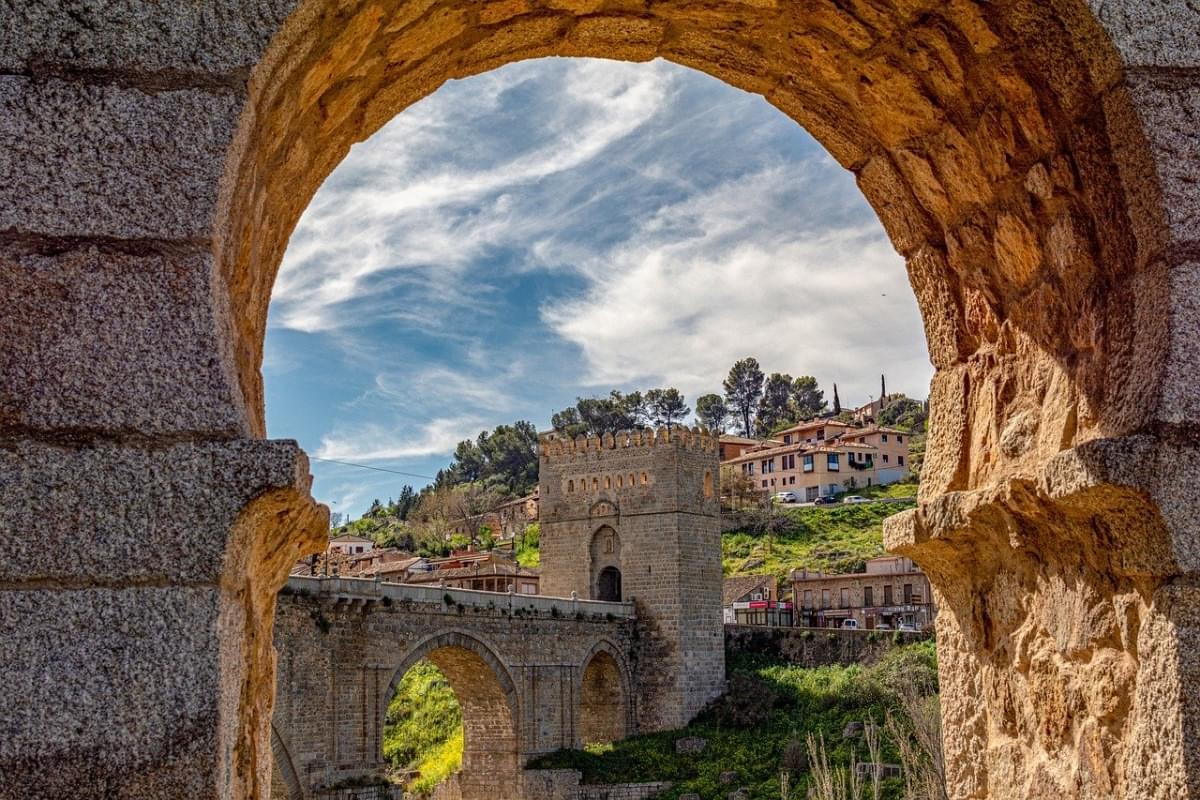
 Spain is one of the most touristic countries in the world. Its beauty is everywhere, imprinted on historical buildings, stretching along the long beaches, crossing the lively streets and exploding in the imposing cathedrals. It also never fails to amaze with its modernity, art, traditions and encounters between different cultures!
Here are the 10 most beautiful cities that make Spain a truly fascinating country, beyond all clichés and false myths.
10 - Granada
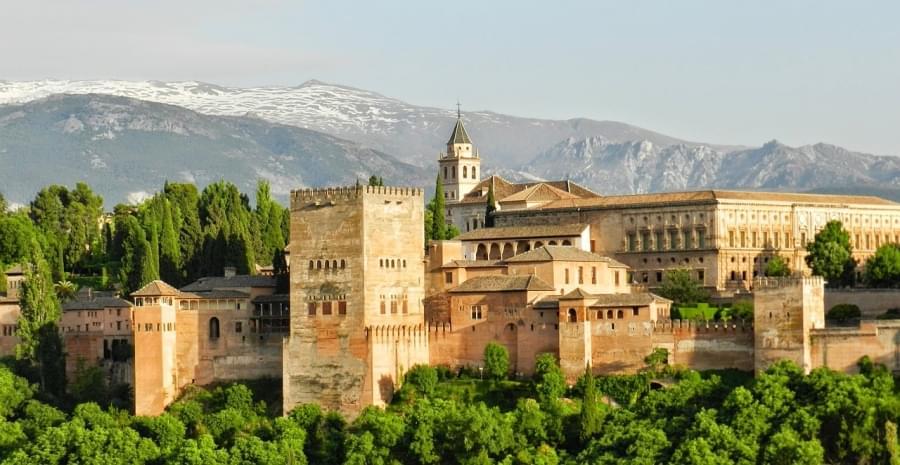 With its 917,445 inhabitants, Granada is the city located in the eastern part of Andalusia. It rises at the foot of the Sierra Nevada mountain range and is located between two rivers, the Darro and the Genil.
Its location, nestled between mountains and not too far from the sea, makes for a continental climate, with very cold winters and fairly warm summers.
The mostfamous monument, and one of the most visited in Spain, is theAlhambra, the fortress built by the Arabs in the 14th century. Also worth a visit is the complex of gardens near the fortress, which extend all the way up to the mountains.
Also in town is the Spanish Renaissance-style cathedral, the Capilla Real, where the Catholic monarchs, King Ferdinand of Aragon and Queen Isabella of Castile, rest and where an art gallery is located.
Finally, an excursion to the Sacromonte district takes visitors to the ancient abbey and the adjoining museum, passing through the caves where flamenco shows can still be seen.
Between June and July, the Festival Internacional de Musica y Danza is also held, during which performances of different dance genres are staged in the city's most historic locations. For Tango fans, on the other hand, the date is in March, with the Festival Internacional de Tango.
SEE ALSO: What to see in Granada
Best time of year: mid-April to mid-September. However, bear in mind that the summer months are scorching hot and there are often significant temperature fluctuations at night - see more
Main attractions: Alhambra Palace of Granada and Gardens, Cathedral of the Incarnation, Capilla Real, Sacromonte Quarter
Cheap flights: from €90.00 - see offers
Where to stay: Hotels and B&Bs from €37.00 per room - see offers
9 - Toledo
Toledo is a city of 687,084 inhabitants, located in south-central Spain, in the Castile region, one hour from Madrid. The climate is Mediterranean with transition, with cold or mild winters and torrid summers.
It is known as 'the city ofthe three religions', because among its streets one can find Christian, Muslim and Jewish religious monuments, the beauty of which has contributed to the city being recognised as a UNESCO World Heritage Site.
The walls in the historic centre, the imposing Puerta de Bisagra and Puerta del Cristo de la Luz, are particularly fascinating. An equally emblematic building is the 12th-century Mezquita de la Luz mosque, later converted into a Christian church.
In the historical centre, which sits on top of a hill, one can admire mediaeval-style buildings with old shops, and finally there is the cathedral, in Gothic style.
The coexistence of different styles due to different cultures is the key to getting to know and appreciate this multi-historic city.
Best period: April to October is the hottest time, with scorching heat peaks in July and August
Main attractions: Puerta de Bisagra and Puerta del Cristo de la Luz, Mezquita Mosque, Jewish Quarter, Alcázar
Cheap flights: from €30.00 - see offers
Where to stay: Hotels and B&Bs from €45.00 per room - see offers
8 - Bilbao
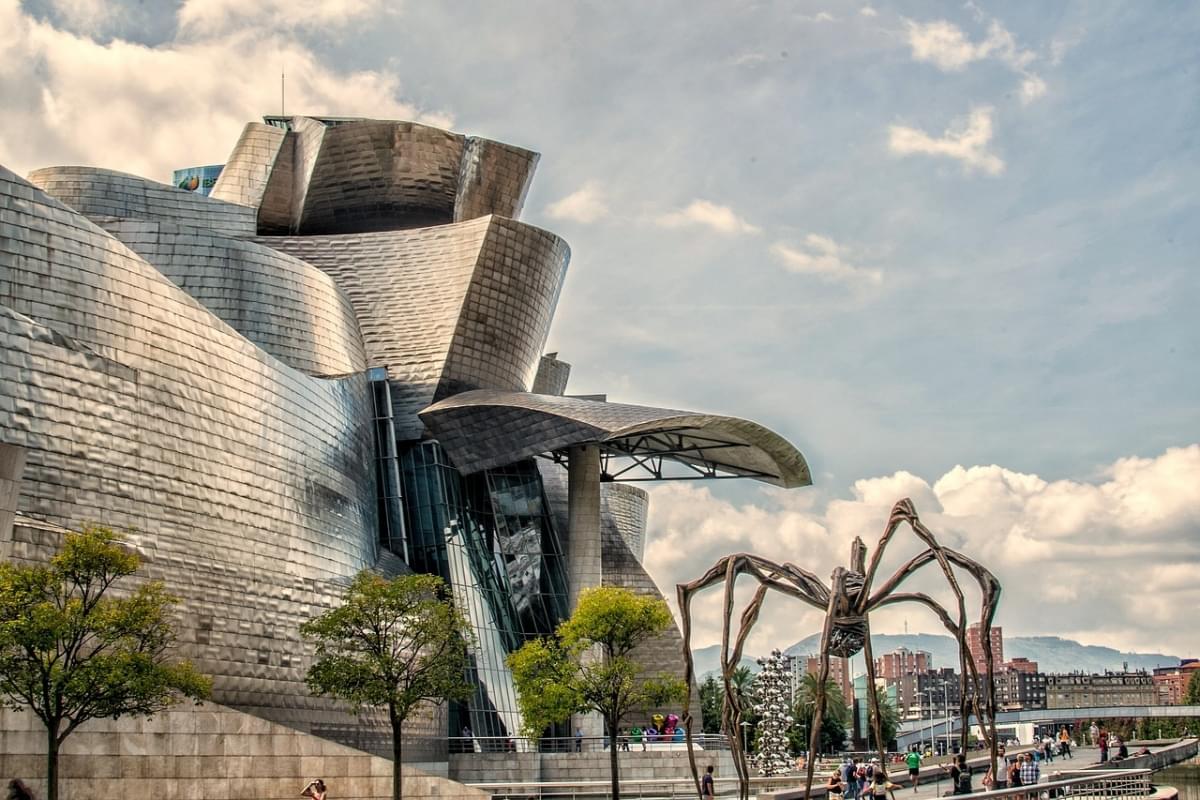 Bilbao is the largest city in the Basque Country, with 349,356 inhabitants. The climate here is different from other regions of Spain, in fact it is oceanic, with mild, rainy winters and cool summers.
Its main characteristic is that it is a predominantly industrial city, but in recent times, with its historical and artistic faces, it has become a very attractive destination for tourists from all over the world.
An emblematic date that has turned the city's image around is 1997, when the Guggenheim Museum was inaugurated, a building with innovative, bewitching and ultra-modern forms that is itself a work of art (in addition to the valuable ones inside).
This city strives for progress, with futuristically designed buildings and bridges, without neglecting tradition, where the avant-garde walks alongside Gothic and Baroque churches, located in the old part, the Casco Viejo.
The cathedral of Bilbao is one of the stops on the Pilgrim's Way to Santiago.
In the city, there are also numerous nightlife venues, with bars where you can enjoy pintxos (Basque tapas) until late.
From 15 August, the Semana Grande is held in the city , a very popular event, during which shows, concerts and parades are organised for nine days, in which all the inhabitants participate.
SEE ALSO: What to see in Bilbao
Best period: from June to September the climate is warmer and there is little rainfall - see more
Main attractions: Museo Guggenheim, Museo de Bellas Artes, Plaza Nueva, Casco Viejo
Cheap flights: from €70.00 - see offers
Where to stay: Hotels and B&Bs from €60.00 per room - see offers
7 - Santiago de Compostela
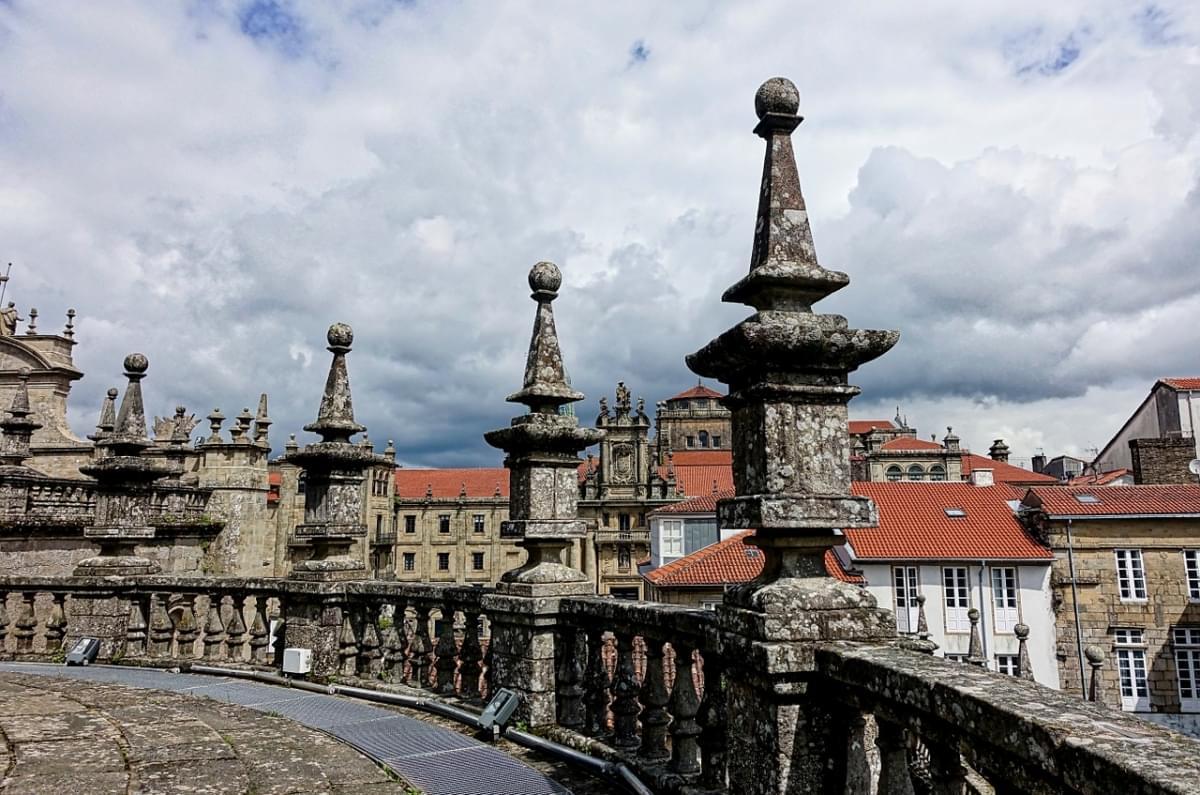 With 96,405 inhabitants, it is the capital of Galicia, a region located in the north-west of Spain. The climate is rather cool, with cold winters and windy summers. Fog is a recurrent phenomenon.
Thecity is most famous for the pilgrimage that has been held for more than a millennium, on which Christians make their way to the Cathedral of Santiago de Compostela where the remains of James the Greater, the apostle of Jesus Christ and patron saint of Spain, are kept.
TheCathedral of St. James of Compostela is certainly the most remarkable building in the city, with its majestic Baroque façade, the Portico of Glory by Master Mateo and the Capela Major, where the sumptuous altar stands.
A visit to the roofs of the cathedral, from which the panorama of Santiago can be observed, is also very impressive. Also not to be missed is the historical centre, still intact in its medieval aesthetics, declared a Unesco World Heritage Site.
Museum lovers can head to the Galician Centre of Contemporary Art, a modern building and the City of Culture, the ultra-modern buildings that host exhibitions and cultural events.
Best period: June to September, during which time sunny days are very frequent while rainfall is scarce.
Main attractions: Cathedral of St James of Compostela, Galician Centre of Contemporary Art, City of Culture.
Cheap flights: from €75.00- see offers
Where to stay: Hotels and B&Bs from €35.00 per room - see offers
6 - Pamplona
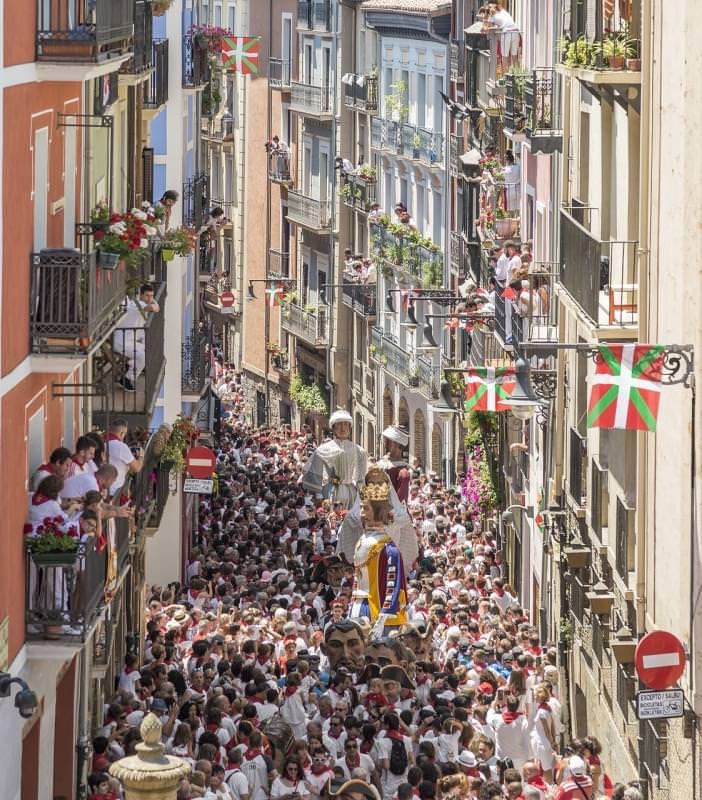 Pamplona (199,066 inhabitants) is the capital of the region of Navarre, in the north of Spain, so the climate is quite cold, with harsh winters and cool summers.
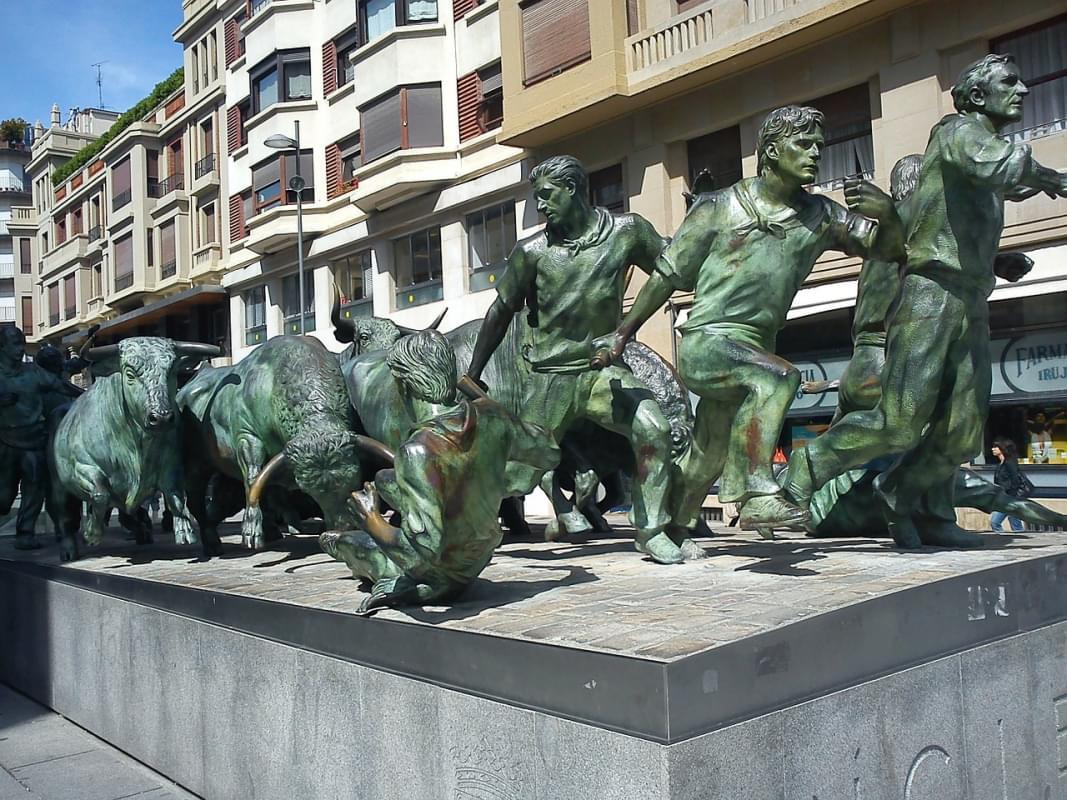
Its origin is very ancient, it was founded by the Romans in 75 B.C. and today it is world-famous for the lively San Fermìn week, held every year in August.
During this traditional festival, crowds of locals and tourists take to the streets of the city in a mad run with the bulls.
Once the bulls return to their proper homes, the real festivities begin, in which the entire city is involved with music and dancing. But during the rest of the year, Pamplona is an enjoyable destination for its peaceful and relaxing atmosphere.
A walk through the central Plaza del Castillo, surrounded by elegant palaces, and a visit to the La Citadella fortress, surrounded by greenery where various cultural events are organised, are very interesting.
Some of the most important museums include the Museum of Navarre, which houses Romanesque artefacts, and the Museum of the University of Navarre, which is located in a modern building and hosts photographic exhibitions by famous local and international artists.
Best time of year: During the summer, the climate makes for pleasant walks in the open air and those who plan to attend the San Fermin festival should travel to Pamplona in August
Main attractions: Plaza del Castillo, Museum of Navarre, Museum of the University of Navarre.
Cheap flights: from €70.00 - see offers
Where to stay: Hotels and B&Bs from €50.00 per room - see offers
5 - Seville
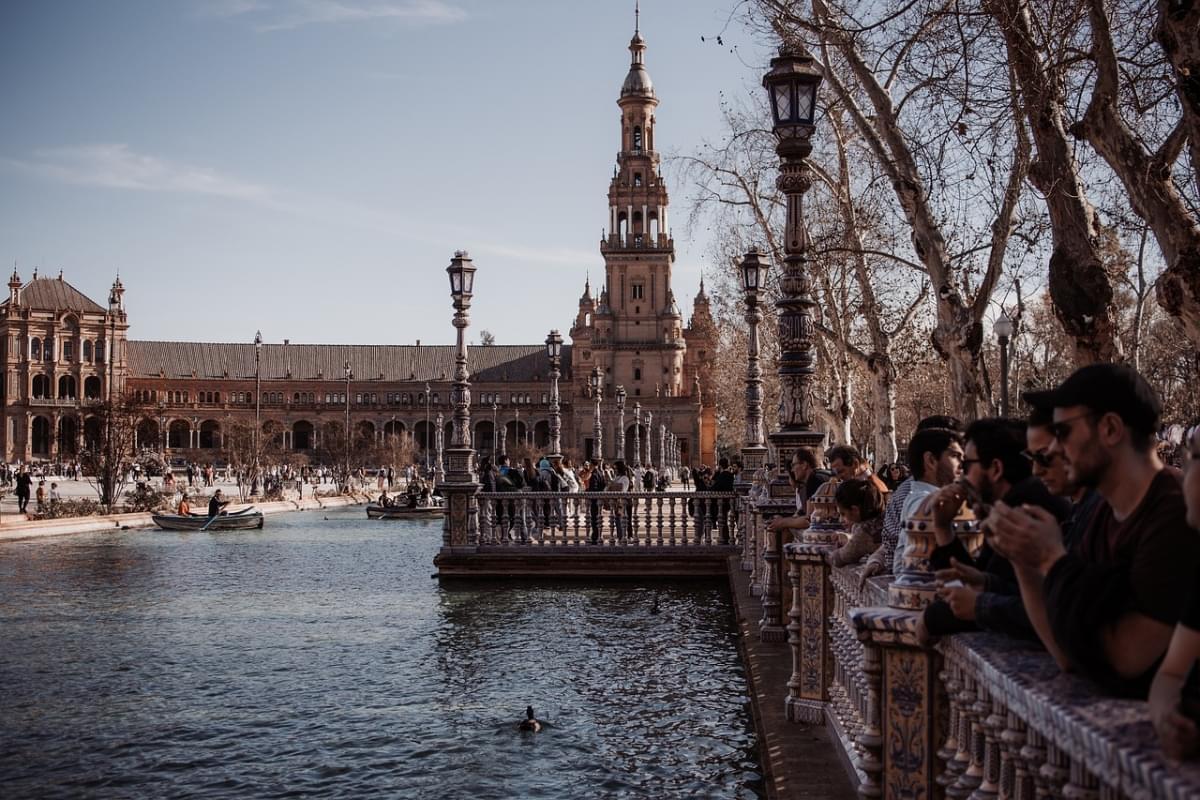 The capital of Andalusia, Seville is the fourth most populous city in Spain, with around 1.945 million inhabitants. Its Mediterranean-type climate makes it one of the hottest cities in Europe, with mild winters and very hot summers.
It is a popular destination for tourists from all over the world, attracted both by the numerous historical monuments, irregular squares and many parks, and by the lively nightlife that characterises especially the summer period.
The Cathedral of Seville is one of the largest in the world, its imposing beauty exploding on the façade on Avenida de la Costituciòn. Inside is also the tomb of Christopher Columbus. The entire church was built on the remains of a mosque, of which the Giralda, the bell tower, remains today.
Seville is also home to a very valuable site: the General Archive of the Indies, which contains important documents relating to the Spanish possessions in America, which tell the story and make it possible to reconstruct crucial passages and events.
Between March and April, the city is in turmoil for the Easter Semana Santa (Holy Week), the streets are filled with people dressed in traditional costumes. In addition, in September of even-numbered years the world's most important Flamenco competition is held, with performances in atmospheric venues.
SEE ALSO: What to see in Seville
Best time of year: all year round, the only particularly cold months being January and February - see more
Main attractions: Santa Maria Cathedral, Giralda, General Archives of the Indies
Cheap flights: from €55.00 - see offers
Where to stay: Hotels and B&Bs from €64.00 per room - see deals
4 - Valencia
 Valencia (2.531 million inhabitants) is the third largest city on the Iberian Peninsula and is located along the south-east coast. The city enjoys a Mediterranean climate, so the sun is present all year round and the only rainy season is autumn.
Founded in the 2nd century B.C. by the Romans, the city suffered destruction and various dominations, such as those of the Visigoths and Srabians.
Its multicultural past is recounted by the many buildings that stand in its streets, among which are the Gothic-style Serranos Towers, the Cathedral of Santa María, with its Micalet, the bell tower that can be visited by climbing 207 steps, the irregular square that stands on an ancient Roman forum, Plaza de la Virgen.
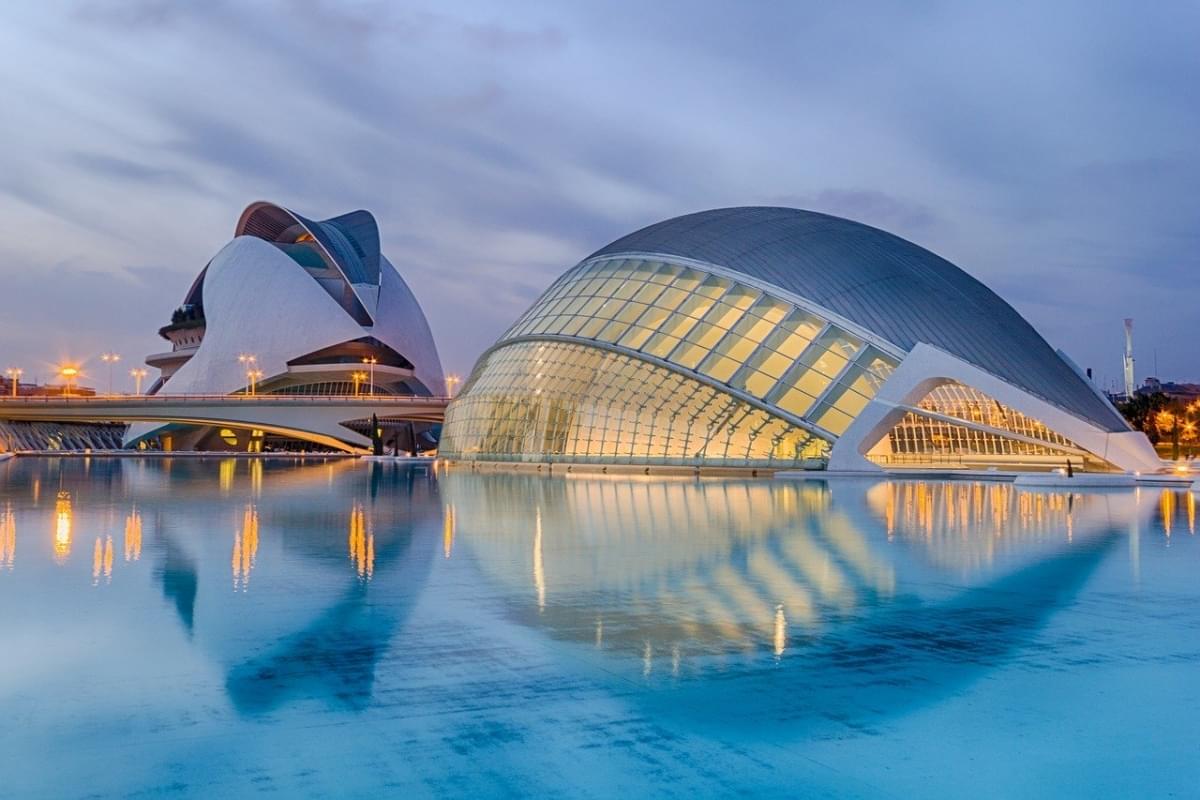
But the city's spectacular characteristic also lies in its modernity: since 2007, in particular, on the occasion of the America's Cup sports event, the harbour district has been radically enriched with works and buildings of futuristic architecture.
The city is also known for its dish of excellence: paella, a triumph of rice, fresh fish and vegetables grown in these beautiful lands.
SEE ALSO: What to see in Valencia
Best time of year: all year round, but from July to September you can also relax on the beach and go swimming - see more
Main attractions: Santa Maria Cathedral and Micalet, Plaza de la Virgen, Ciudad de las artes y las ciencias, Hemisferic, Oceanografic
Cheap flights: from €45.00 - see offers
Where to stay: Hotels and B&Bs from €60.00 per room - see offers
3 - Zaragoza
 Situated in the north-eastern part of Spain, Zaragoza is a rather large city with some 960,111 inhabitants and the capital of Aragon. Its strategic location makes it the nerve centre of the country, as it is well connected to major Spanish cities (Madrid, Barcelona, Bilbao).
The climate is a continental Mediterranean type, with rather cold winters and very hot summers, while rainfall is scarce.
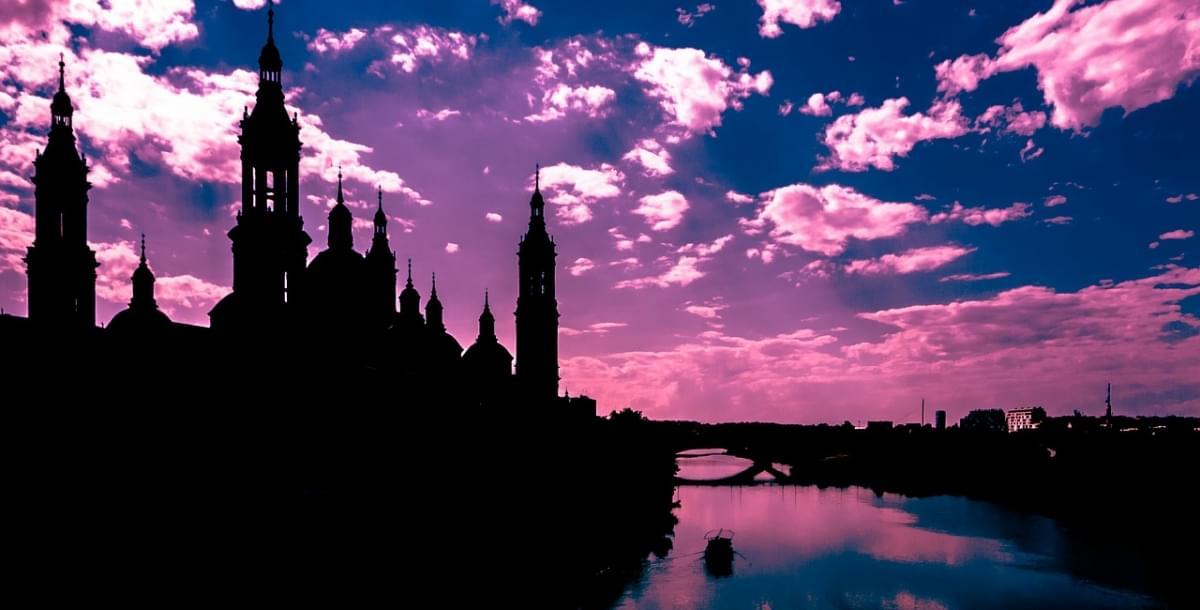
The city's history is marked by continuous dominations, such as Arab and Christian, it was the scene of wars and sieges, and all this is well reflected in the style of the edifices and monuments that characterise it. Definitely worth a visit is the Basilica of Our Lady of Pilar: four bell towers, large central dome, interiors embellished with decorations and works by ecclesi artists such as Goya. Another landmark building is the Castle of the Alijaferìa, built by the Muslims and later becoming the seat of the Inquisition under the Christians.
In October, the city is in a festive mood as the Fiesta del Pilar is celebrated on the 12th, with great shows, bonfires and events animating the city. On 24 June, on the other hand,the Night of San Juan is very intense and long.
Best period: From May to August the climate is perfect for enjoying the outdoors
Main attractions: Basilica of Our Lady of Pilar, Alijaferìa Castle, Calle del Coso.
Cheap flights: from €80.00 - see offers
Where to stay: Hotels and B&Bs from €45.00 per room - see offers
2 - Barcelona
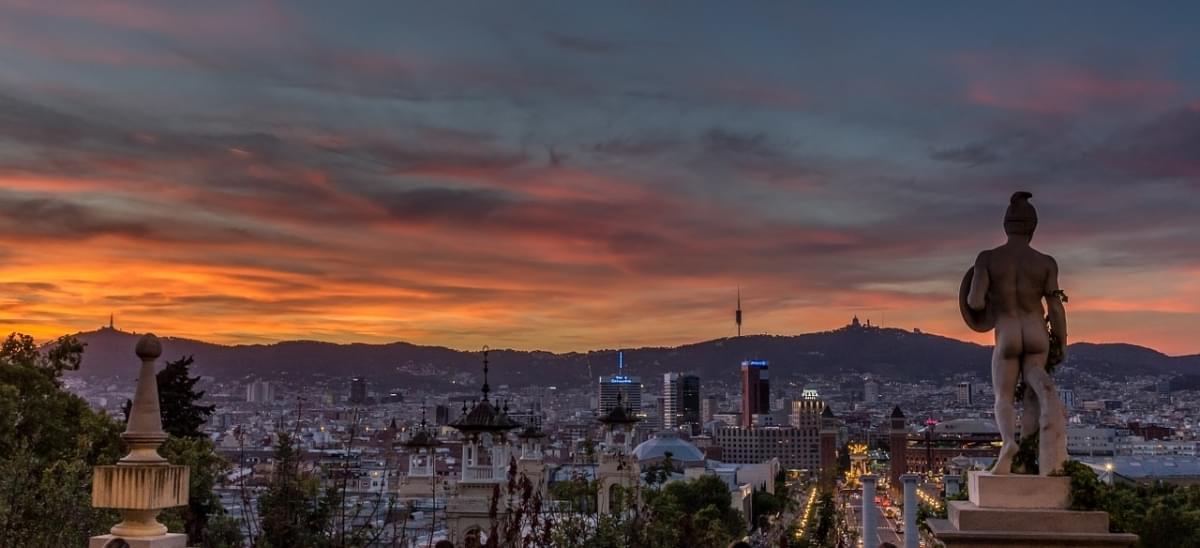 The capital of Catalonia, located in the east of Spain and with a population of 5.515 million, Barcelona is undoubtedly one of the most visited cities in the world and one of the most cosmopolitan. The climate is Mediterranean, with sun practically all year round.
The city has numerous UNESCO World Heritage sites, and its art and architecture make it world famous.
This is the city of Gaudi, the artist whose works contributed to its unique and extraordinary beauty. The Sagrada Familia isone of the most famous and impressive buildings created by the artist, but also Parc Güell, the park that was to become a sort of garden city, and Casa Batllò, the extravagant mansion that looks like a living, talking being and many other buildings in the city.
The city also houses the largest collection of Picasso's works, in the museum located in the La Ribera district.
And there is no shortage of nightlife, clubs open until late, cosy squares and good food complete the lively picture you take in when visiting Barcelona.
SEE ALSO: What to see in Barcelona
Best time of year: April to June is the best time for those who want to go for a stroll, while those looking for the beach and the sea should go in the summer - see more
Main attractions: Sagrada Familia, Parc Guell, Casa Battlò, Picasso Museum
Cheap flights: from €35.00 - see deals
Where to stay: Hotels and B&Bs from €55.00 per room - see deals
1 - Madrid
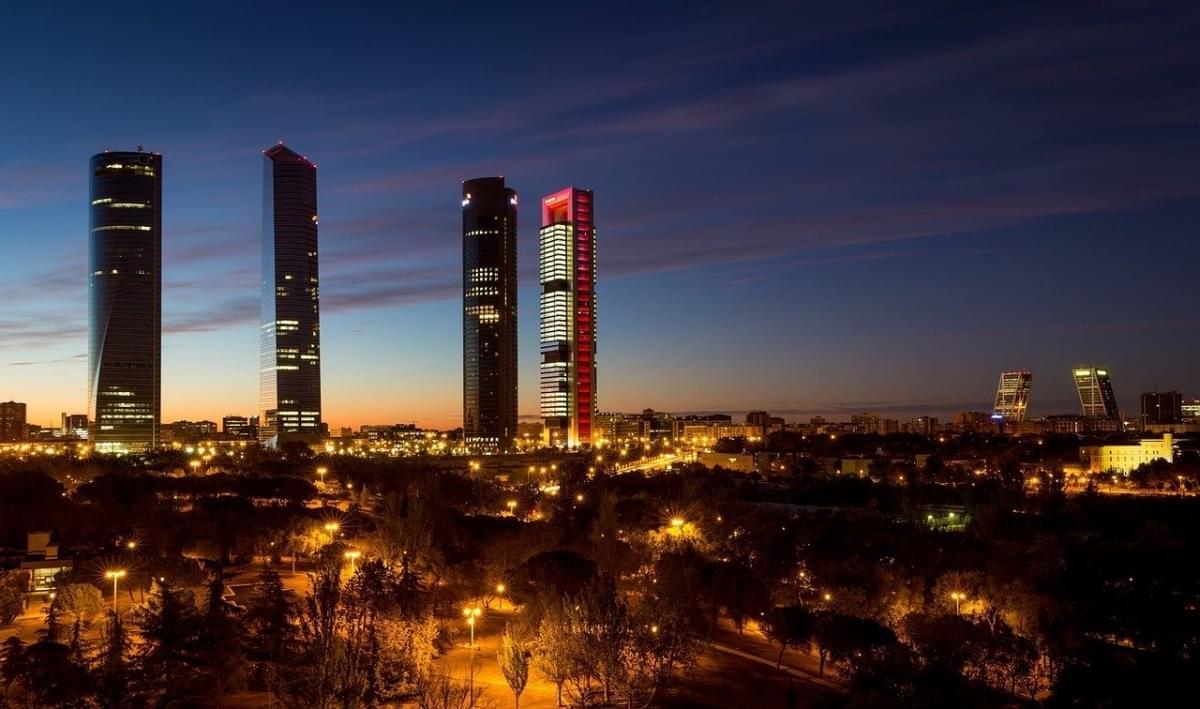 With its 6.55 million inhabitants, Madrid is the political, economic and cultural centre of Spain, making it its capital, located in the heart of the peninsula. The climate is Mediterranean, with continental influences, so winters are quite cold and summers dry and hot.
The history of the city is very long and what is most surprising is the absence of monuments or special areas of great interest: it is the narrow streets, surrounded by beautiful Baroque buildings and elegant palaces that all together represent the beauty of the city.
Certainly, some places stand out for their importance, just think of the Prado, one of the most important museums in the world, housing works by Goya, Caravaggio, Velasquez, and many other major European artists. Those who never tire of art should also visit the Reina Sofia Museum, with works from the 20th century.
In February, Arco, Spain's most important festival celebrating contemporary art, could be very interesting.
The city is world famous for its movida!
SEE ALSO: What to see in Madrid
Best time: Spring and autumn - see more
Main attractions: Prado Museum, Reina Sofia Museum, Royal Palace of Madrid
Cheap flights: from €40.00 - see deals
Where to stay: Hotels and B&Bs from €60.00 per room - see deals
Related articles
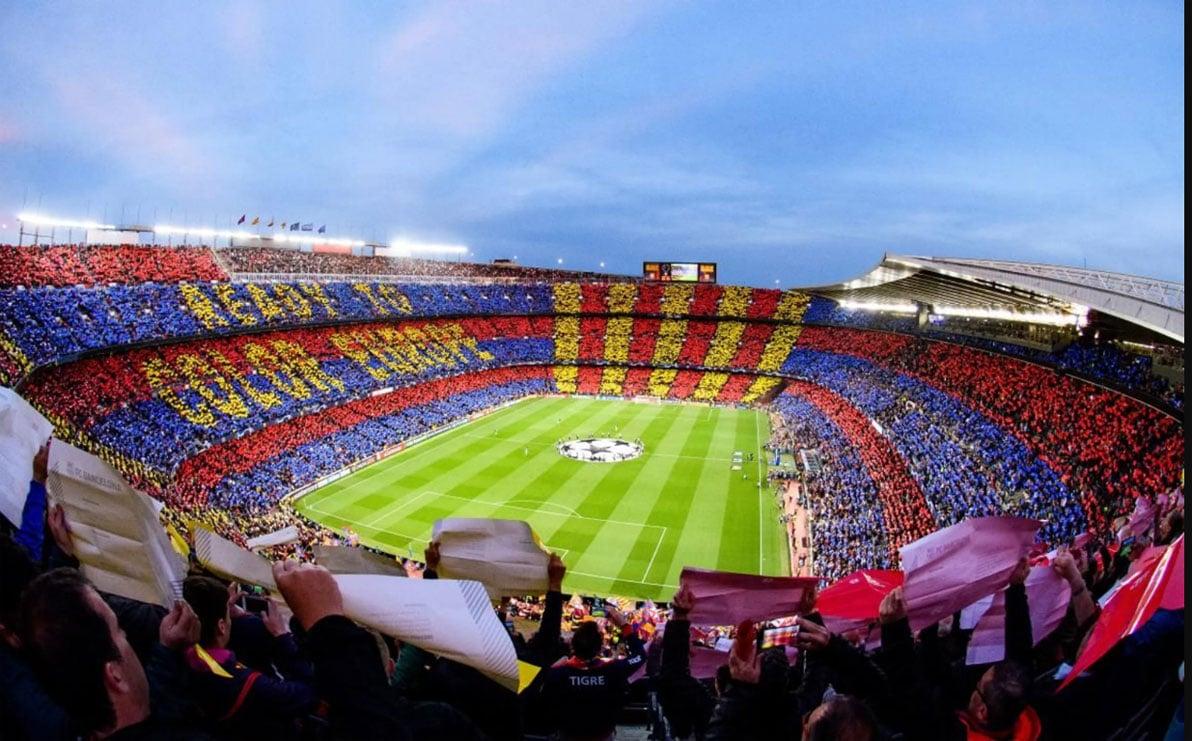
Visit Barcelona's Camp Nou stadium and the museum of one of the most successful football clubs in the world!
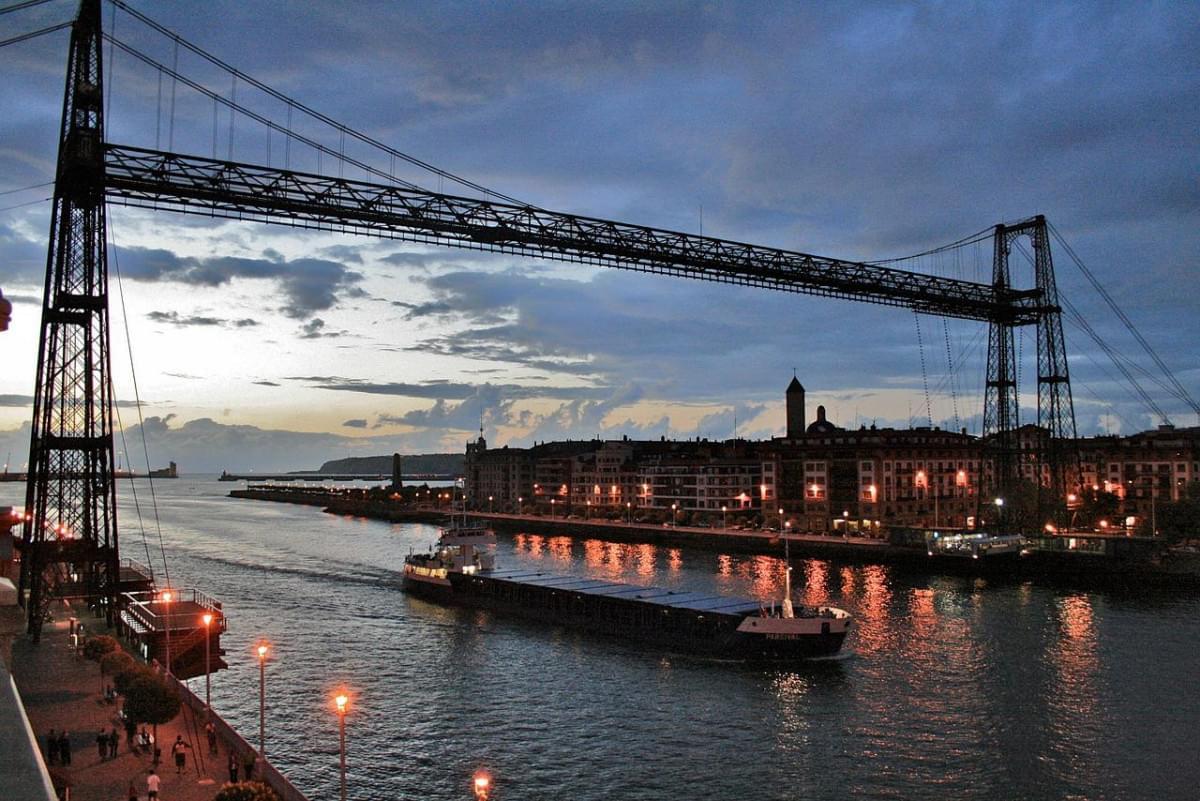
Bilbao Itinerary in 3 days
What are the most beautiful cities in Spain?
Pamplona, Spain: where is it, when to go and what to see
Hotel Claridge , Madrid - Spain

Erfurt sights: the 10 most beautiful places
What to see in Budapest: the 19 best sights and things to do