Gothenburg is Scandinavia's largest port and is often lovingly referred to as Sweden's 'second city'. Famous for the car manufacturer Volvo, it has been able to reinvent itself as a modern travel destination over the past two decades. We therefore take you on a tour of this reborn city by telling you our favourite things to see in Gothenburg.
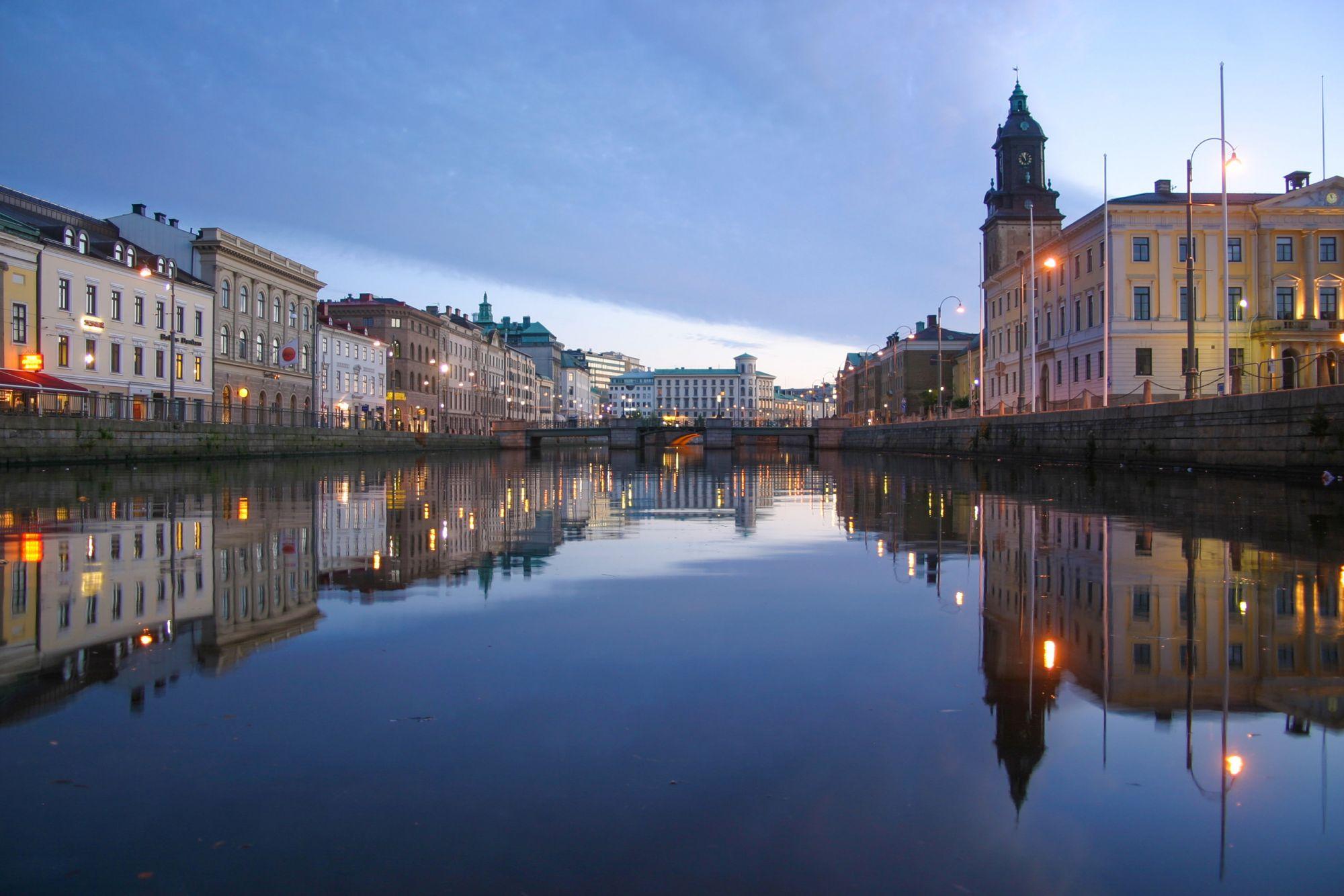
The canal (Stora Hamnkanalen) runs through the centre of Gothenburg © Andreas Bitterer / Getty Images
Today, avant-garde design has replaced the industrial character of the city's more decadent neighbourhoods. Warehouses and factories have become art galleries, Michelin-starred restaurants have enriched the local food scene and independent cafés spring up on every corner. Add to that a buzzing nightlife and an archipelago of quiet little islands within easy reach by boat, and it's easy to see why Gothenburg is giving Stockholm a run for its money.
What to see in Gothenburg
Gothenburg is divided into a number of clearly delineated districts, so it's easy to get your bearings right from the start. The old town is separated from the rest of the city by a moat with an irregular course. Most of the art galleries are located in Vasastan. The most important museums are located near Avenyn, the main boulevard.
The trendy Magasinsgatan district ranks first for shopping for Swedish brands, while the streets near Järntorget continue to sprout new trendy or ethnic restaurants. Of the districts that have seen new life, Haga, one of the oldest, is the one that has undergone the most radical transformation. Now its cobblestone streets are lined with extravagant shops and bars, and the typical Landshövdingehus wooden houses show off their renovated beauty.
Bordering Haga to the west is Linné: independent designer shops and outdoor tables dot the entire Linnégatan boulevard. Fortunately, the adjacent 'long streets', such as Andra Långgatan, have remained casual scenes.
Frihamnen, Gothenburg's innermost harbour, is in the spotlight of the city's renaissance project. Partially abandoned since 2000, it has been redeveloped into the Jubileumsparken, a new and constantly evolving amusement park, which opened on the 400th anniversary of Gothenburg's founding.
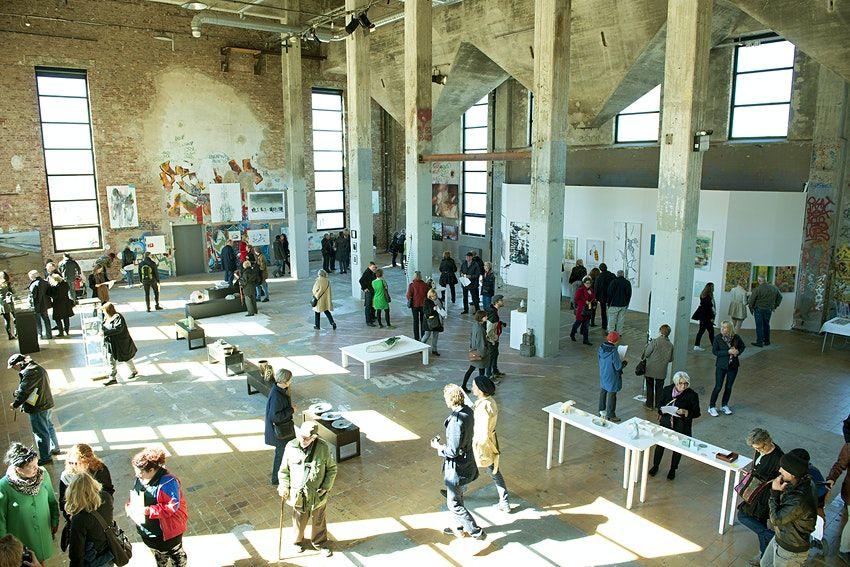
Röda Sten © Dick Gillberg (Courtesy of Visit Sweden)
Art and design
Stockholm always makes the headlines when it comes to design, but Gothenburg is no different. The city is a treasure trove of trendy interior design shops, concentrated in a specific area of the city centre. Places like Artilleriett/Artilleriet Kitchen, Rum 21, Floramor & Krukatös and many more are must-see stops on an excellent décor inspiration tour.
When it comes to contemporary Scandinavian art, it is hard to beat Galleri Ferm, Galleri Thomassen and Galleri Nils Åberg. Taking advantage of a disused power station, the Röda Sten art centre has the city's most alternative location and hosts everything from photography exhibitions by Swedish artists to live music evenings. The Röhsska Museum, on the other hand, ranks first among Swedish museums dedicated to design and applied arts.
Ultra-modern architecture is another element that makes up Gothenburg's charm. Kuggen (Lindholmplatsen), resembling a red Coliseum, is a wonderful example of green engineering, while the unmistakable red-and-white skyscraper, Göteborgs-Utkiken (better known as 'the Lipstick') towers over the harbour and offers a breathtaking view from the top.

Inside the Volvo Museum © Anna Jingrot/ Volvo Museum
The city of culture
As the birthplace of Volvo, Gothenburg has an enduring relationship with the car manufacturer. Visitors can both take a factory tour and immerse themselves in the Volvo world by exploring the museum. But there is much more to discover besides car culture, including some world-class museums.
Science and technology meet the rainforest in the incredible Universeum, while the Konstmuseum's collection of works from the 15th century to the present day is one of the finest in Europe. The Stadsmuseum is the only place in Sweden where you can see an authentic Viking ship, while the Sjöfartsmuseet showcases maritime culture of more recent times. And after you've had your fill of culture, head to Liseberg, Sweden's largest amusement park, to relax.
Sign up for our newsletter! For you weekly travel tips, special offers, stories from the world and 30% discount on your first order.
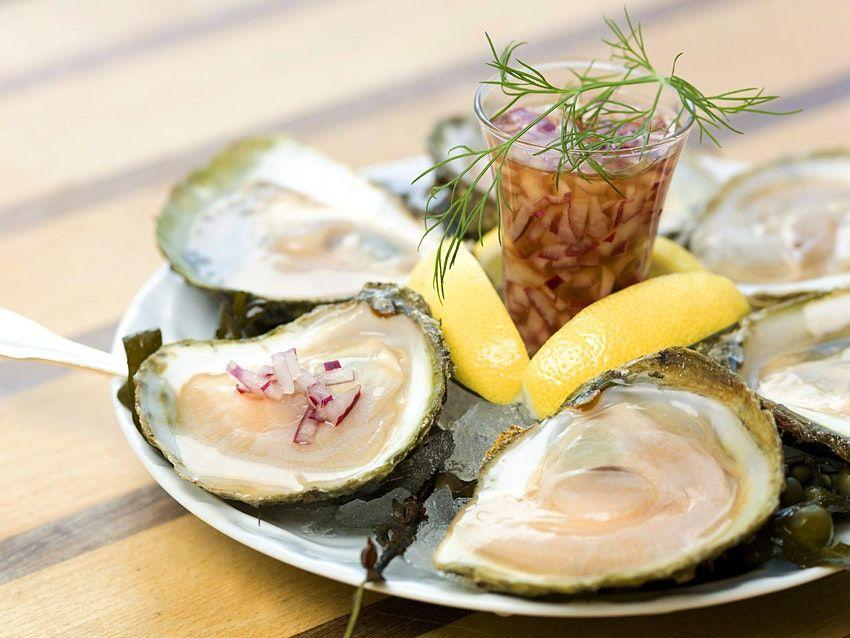
Fresh oysters at Gabriel © Lars Ardarve (Courtesy of Visit Sweden)
Where to eat
Gothenburg's gastronomic scene is dominated by the abundance of fresh fish caught off the Swedish west coast. Oysters, prawns, lobsters and catch of the day are the stars of the menu at Restaurang Gabriel, a real institution at the fish market housed in the famous Feskekôrka ('fish church').
Other great places to sample seafood delicacies are Fiskekrogen, a local favourite for more than 20 years for shellfish, and Strömmingsluckan, a humble food truck located at Magasinsgatan 17 that serves only grilled herring with mash and cranberries. The creative and seasonal menu at the Michelin-starred restaurant Sjömagasinet focuses on fish dishes, as does the multi-course tasting menu offered by Michelin-starred colleagues Koka and Thörnströms kök.
In addition to seafood, Gothenburg is home to a multitude of international restaurants, from Thai to Ethiopian gourmet hot dogs, not to mention the many award-winning Swedish chefs who adhere to the slow food movement. And if you want to find out where the local foodies go, choose from the forty or so stalls and restaurants that crowd the beautiful Saluhallen, (the covered market).
Experience the night
Between breweries, wine bars, discos and live music, Gothenburg takes its nightlife seriously. And it has not escaped the craft beer trend, as evidenced by the pubs along Andra and Tredje Långgatan. Haket Pub is stocked by small local breweries, Noba Nordic Bar offers Norwegian, Danish and Icelandic beers, while the old Ölhallen 7:an (Kungstorget 7) has been serving pints since 1900.
Puta Madre is inspired by a Mexican brothel and makes cocktails as intriguing as its bizarre décor, while the small Basque bar Juan Font expertly pairs its wines with tapas. Popular for years, Nefertiti is both a jazz club and one of the busiest dance venues in town, while the Lounge(s) satisfies every musical taste with its many rooms. As for the underground scene, check out illegalground.com for current events.
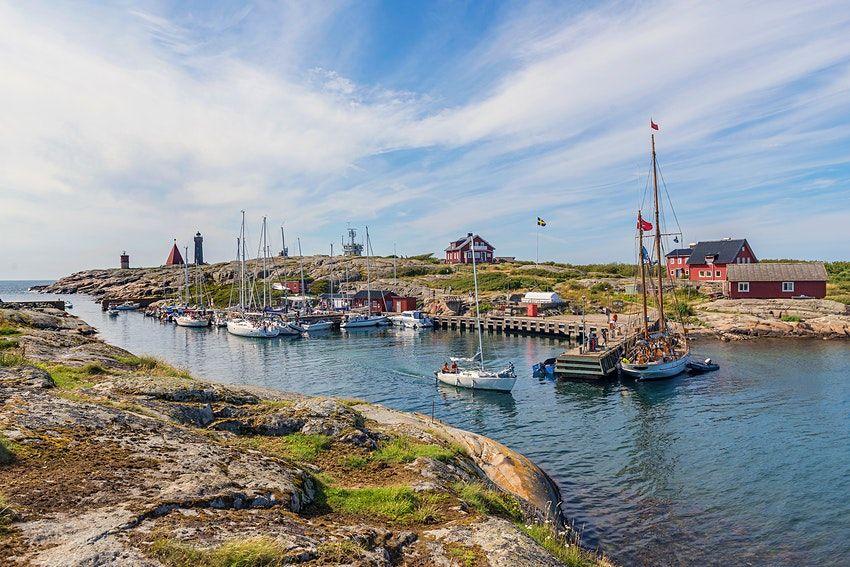
There is no shortage of little islands to seek tranquillity near Gothenburg © Steampipe Production Studio (Courtesy of Visit Sweden)
An island escape
If you get bored of the hustle and bustle of the city, take tram 11 to the Saltholmen pier and hop on a boat to the southern archipelago: 9 pedestrianised islands where peace reigns. Green corners of nature ideal for long walks and bike rides, exploring villages and taverns or sunbathing on the rocks. Brännö, Styrsö and Vrångö offer accommodation for tourists. Vrångö and the tiny Vinga are great for swimming.
Practical information
Gothenburg Airport is well connected to many European cities, including London, Frankfurt, Munich, Amsterdam, Brussels, Copenhagen, Stockholm, Malaga, Paris, Prague and Istanbul. Gothenburg can also be reached by train from Stockholm and Copenhagen (it takes about three hours).
If you plan to visit many attractions, it may be worth buying the Gothenburg City Card, which includes admission to many museums and includes transport by bus, tram and boat. As of 1 January 2018, there is a new Gothenburg Pass, which does not, however, include the use of public transport.
Recommended guides and products:
When to go
July and August Sailing enthusiasts come to Bohuslän, there are numerous festivals in Gothenburg and the temperature is pleasant.
May and September Ideal time to avoid the holiday crowds and try out some top restaurants.
December and January The weather is harsh but there is ice skating and ice fishing in the frozen lakes and canals inland.