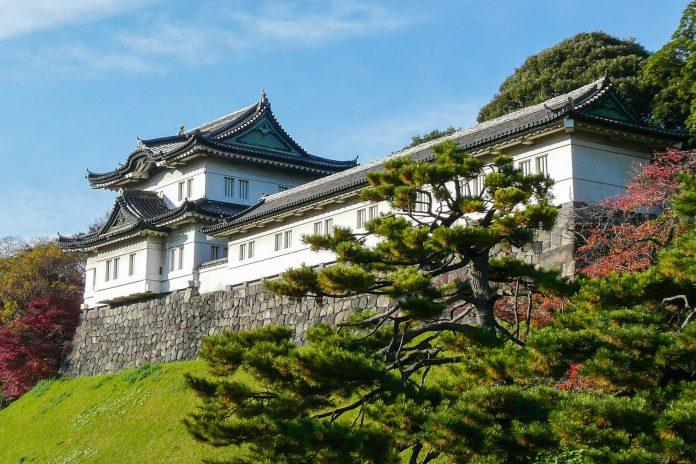
The Imperial Palace in Tokyo is still the residence of the Japanese emperor and is only open to visitors on two days a year. However, the magnificent garden surrounding it is also worth a visit and an ideal way to escape the hustle and bustle of Japan's capital.
The Imperial Palace in the Japanese capital Tokyo, also called Kokyo, is located in the Chiyoda district right in the city centre, where Edo Castle, seat of the Tokugawa shoguns, once stood. It is only a five-minute walk from Tokyo's main railway station. The magnificent garden surrounding it is a welcome retreat for Tokyo residents.
If you are planning your visit and looking for an accommodation, there is a variety of hotels in Tokyo to choose from. You can choose based on your budget, location, or other preferences to ensure a comfortable stay while you soak in the culture and history of the city.
As Tokyo is one of the most popular travel destinations, finding the ideal place to stay might seem overwhelming. However, websites like tophotels.com can be used for comparing different accommodations, checking reviews and ensuring that you have the best possible stay in Tokyo. Conveniently located hotels will keep you close to not just the Imperial Palace, but also to the exciting city life Tokyo has to offer.
History of the Imperial Palace in Tokyo
The Imperial Palace has been the residence of the Japanese Emperor, the "Tennō", since the removal of the Shogun from power and the subsequent transfer of the Imperial Court from Kyoto to what was then Edo (now Tokyo). Edo Castle was severely damaged by fire in 1973, and the palace was completed after renovation around 1888.
The imperial palace in Tokyo was given its current appearance in typical Japanese architecture in 1968, after it fell victim to several bombings during the Second World War. Its interior design is a mix of 19th century Japanese and European influences.
The park-like grounds of the imperial palace cover almost 3.5 square kilometres. It consists of beautifully landscaped gardens and several buildings, such as the Kyūden, the private chambers of the emperor and his family, the imperial archives and the offices.
There is also a museum within the palace complex. Festivities are held and state guests are received in the main hall of the Kyūden, the Chōwaden Reception Hall, which covers more than 700 square metres. A few walls and parts of the moat of the former Edo Castle still remain today.
Within the palace walls are the Kyūchūsanden, the "three shrines in the palace". These are the three personal Shinto shrines of the imperial family. Shinto is the second major practised religion in Japan, along with Buddhism.
At the place of reverence, Kashiko-dokoro, there is a replica of one of the insignia of the throne of Japan, the Yata no Kagami mirror from the time of the mythological Emperor Sujin. At the Kōrei-den, the "Hall of Imperial Ancestral Souls", the ancestors of the emperor and his family are worshipped, and at the Shinden, the Hall of the Gods, homage is paid to the kami (sacred spirit beings) of heaven and earth.
For the imperial palace, the rule is usually: No trespassing!
For the most part, the ivory-coloured building with the dark grey curved roofs is not accessible to the public. The "kōgū keisatsu", the imperial palace police, ensure that no unauthorised person enters the imperial palace. The imperial family, however, makes an exception on two days a year.
On the Emperor's birthday, 23 December, and on New Year's Day, 2 January, her residence can also be entered by the common people. The imperial family then appears on the balcony above the main hall and greets the cheering crowds. The Emperor usually gives a short speech thanking his people for their visit and wishing them his blessing. On the other days of the year, the eastern palace gardens are the only region that can be visited.
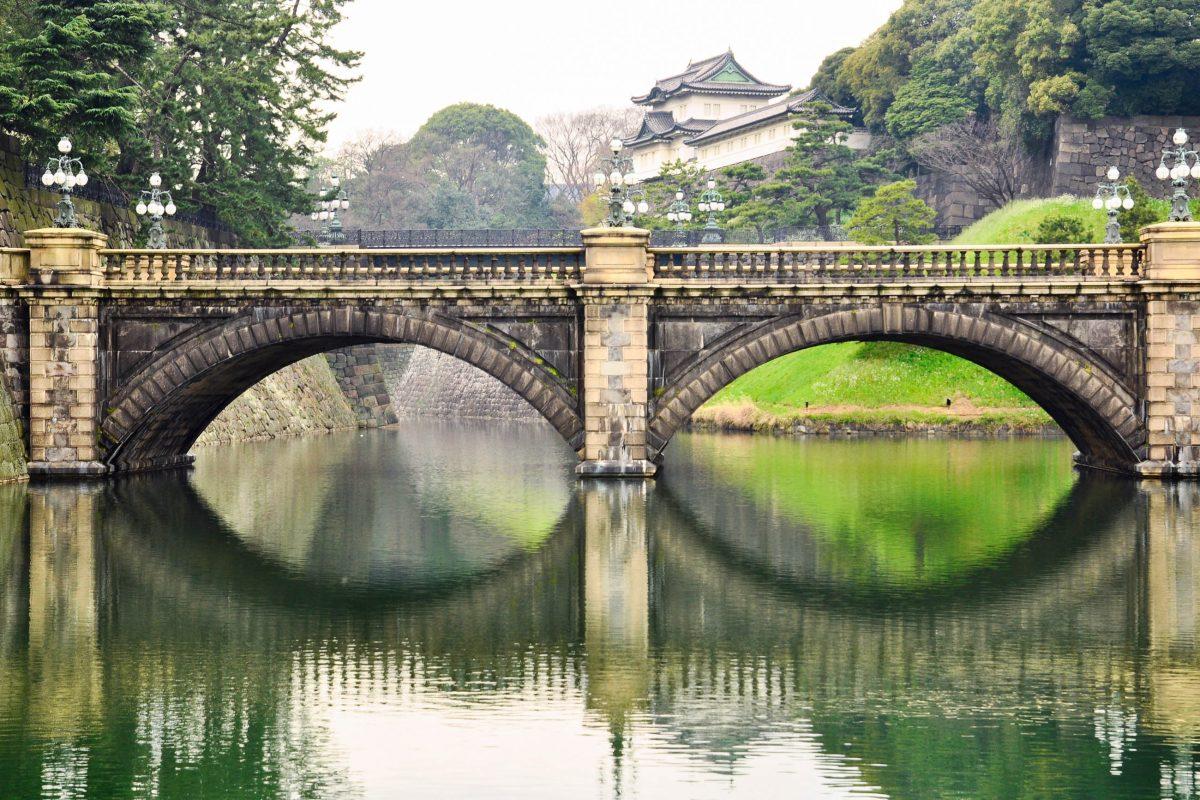
From the Nijubashi Bridge (also called "Meganebashi", "Glasses Bridge", because of its shape), which leads from Koyo Gaien Square to the inner palace grounds, you can catch a glimpse of the imperial buildings. Joggers and walkers in particular take advantage of the park's idyllic surroundings to escape the noisy everyday life of Tokyo. In the tea house, you can relax wonderfully in the midst of the green oasis. The eastern gardens are also home to several administrative buildings, a music hall and the Imperial Collection Museum.
Other gardens that are open to the public include Kitanomaru Park in the north with the massive Nippon Budokan Hall, commonly known as the Martial Arts Hall. The southern gardens of the Imperial Palace can also be entered to admire the monumental bronze equestrian statue of Japanese general and prince Kitashirakawa Yoshihisa.
Accommodation and hotels in Japan
Interesting articles for holidays in Japan:
The Top 10 Sights of Japan
Mount Fuji
Shinto Shrine in Itsukushima
Peace Monument in Hiroshima
Himeji Castle
Daibatsu ("Great Buddha") in Kamakura
Nikko National Park