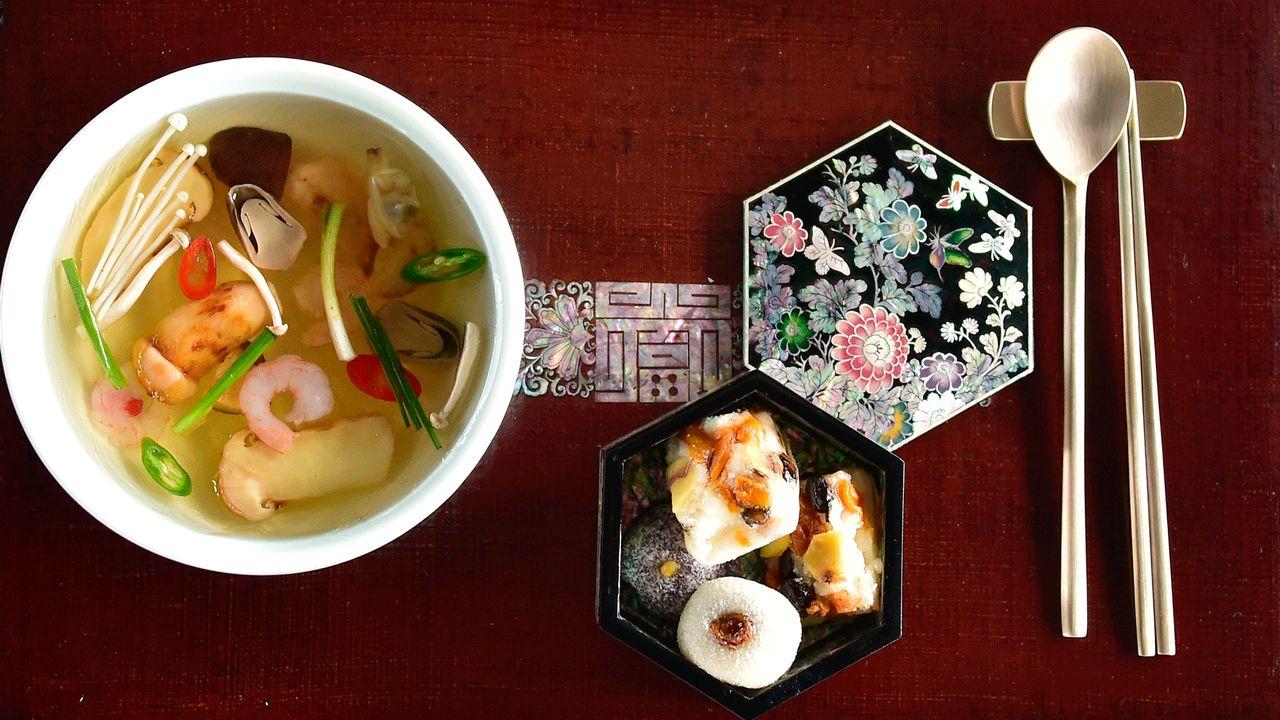
While "best of" lists may be contentious and subjective, they serve the important purpose of sparking conversations about food. In compiling our own list of the top Korean restaurants in Seoul, we consulted with renowned food enthusiasts, including Jun Kyung-woo, co-author of the bestselling book "Dining in Seoul."
During your visit to Seoul, you may want to choose accommodations that will bring you closer to the culinary delights this city has to offer. Staying at the right spot can be just as important to your food journey as deciding where to eat. So, to help you out, we recommend checking out https://www.seoulhotelspage.com/en/ that are conveniently located near popular dining spots.
Jun raises thought-provoking questions about the definition of Korean food: is it solely based on the ingredients used, its association with Korea, or the dishes commonly consumed by Korean people? These inquiries underline the evolving nature of Korean cuisine, which now encompasses unique creations like pizza topped with fried shrimp and sweet potatoes, as well as Koreanized versions of Chinese dishes, such as jjajjangmyun (black bean noodles).
This fusion of culinary influences results in dishes that may be labeled as "Italian" or "Chinese" food, yet they possess distinct Korean characteristics that would surprise locals in their countries of origin.
Take, for example, the fascinating concept of Koreanized pizza, which incorporates traditional Korean ingredients like fried shrimp and sweet potatoes. This fusion of flavors adds a distinctive Korean touch to an internationally beloved dish. Similarly, jjajjangmyun exemplifies the Korean approach of putting a unique spin on Chinese cuisine, resulting in a dish that is enticingly different from its traditional counterpart.
Korean cuisine has a rich and dynamic history characterized by a wide range of ingredients and flavors. From staples like soy, garlic, and red pepper to traditional cooking methods such as salting, pickling, and braising, there is a depth to Korean food that has been developed over centuries.
While some may associate Korean cuisine with outlandish creations, it's important to acknowledge the heritage and authenticity of dishes that originated on the Korean Peninsula. This list celebrates dishes that have a long genealogy in Korean food culture.
That being said, our appreciation for Korean food extends beyond traditional fare. We embrace the diversity of Korean cuisine, valuing both the time-honored recipes that have been passed down through generations and the innovative culinary creations that blend Korean flavors with modern techniques.
Korean cuisine offers an extensive range of flavors and dishes that cater to various tastes. It is truly a culinary journey that showcases the richness and depth of Korean gastronomy.
About Song Jook Heon (송죽헌)
If you're looking for an authentic hanjeongsik experience in Seoul, Song Jook Heon should be at the top of your list. While many hanjeongsik restaurants have adapted to Western influence, this hidden gem has stayed true to tradition.
Located near the secret garden of Changdeokgung Palace, Song Jook Heon offers a unique dining experience. Instead of time-based courses, they present an abundance of dishes all at once, truly capturing the essence of hanjeongsik.
From grilled abalone with pan-fried ginkgo berries to duck patties with a hint of ginger, and codfish dumplings with an egg white foam, their menu is a delight for food enthusiasts craving authentic Korean flavors.
Don't miss the chance to indulge in this rare and immersive experience of true hanjeongsik at Song Jook Heon.
The Korean restaurants in Seoul offer a unique dining experience, catering to specific requests like serving samgyetang or spicy chicken stew if you make a reservation in advance.
Speaking of reservations, they are essential to secure a table at these popular establishments.
Furthermore, Jeollado-style meals feature a delightful assortment of rice, jeotgal, and jangajji, including salted fish eggs and anchovies, adding pungent flavors that are not meant for the faint-hearted.
The intensity of these dishes is intended for those who appreciate a more adventurous culinary experience.
Address: 37-2, Unni-dong, Jongno-gu, Seoul; Telephone: +82 2 763 4234
If you're looking for more food-related insights, check out the fascinating article where 96 of the world's best chefs share their favorite dining experiences.
2. The Intriguing Yong Su San (용수산)
The historical rivalry between the distinctive culinary traditions of Jeolla and Gaesung is as captivating as their rich flavors. While the former is the reigning champion with its intoxicatingly bold taste profiles, Gaesung cuisine, originating from the erstwhile capital of the Koryo dynasty, stands its ground with its delicately nuanced flavors that delight with their subtlety.
Gaesung cuisine's remarkable compatibility with Western taste buds further adds to its charm. Here, Yong Su San, a renowned restaurant that has spread its culinary magic through numerous establishments over the past thirty years, shines brightly. Its adventures include introducing the delights of Gaesung cuisine to Los Angeles.
Adding to its allure, Gaesung culinary artistry is a feast for the senses, with visually breathtaking dishes such as gujeolpan, and sinseollo. Gujeolpan is a colorful assortment of crepes accompanied by thinly sliced vegetables and proteins segregated by color. On the other hand, sinseollo is akin to a treasure trove, with a brimming collection of meats, seafood, and veggies served in a heated silver cooking pot.
Certainly, Yong Su San's influence extends beyond a single location. It has various branches serving gastronomic delights to patrons.
Make a visit to their primary branch at 118-3 Samcheong-dong, Jongro-gu, Seoul; +82 2 771 5553
3. Eulji Myun Oak: Traditional Naengmyeon Delight
Discover the soulful delight of naengmyeon at Eulji Myun Oak, a cherished Korean restaurant in Seoul. With over 30 years of operation, this somewhat rustic eatery has stood the test of time.
Eulji Myun Oak is known for preserving the traditional flavors that make naengmyeon so special. Unlike many contemporary naengmyeon establishments, their focus is on a clean and refreshing taste rather than a heavy and meaty one.
Not only does Eulji Myun Oak embody authentic flavors, but it also has a sister restaurant called Pil Dong Myun Ok, run by the original founder's sister. According to local expert Gang, Eul Ji Myun Ok takes the crown for its down-home charm and taste.
If you're looking to experience genuine soul food, make sure to visit Eulji Myun Oak!
Location: 177-1 Yipjung-dong, Jung-gu, Seoul (서울특별시 중구 입정동177-1)
Phone: +82 2 2266 7052
For more insider tips on exploring Seoul, don't miss our comprehensive Seoul Insider Travel Guide.
4. Tosokchon Samgyetang (토속촌)
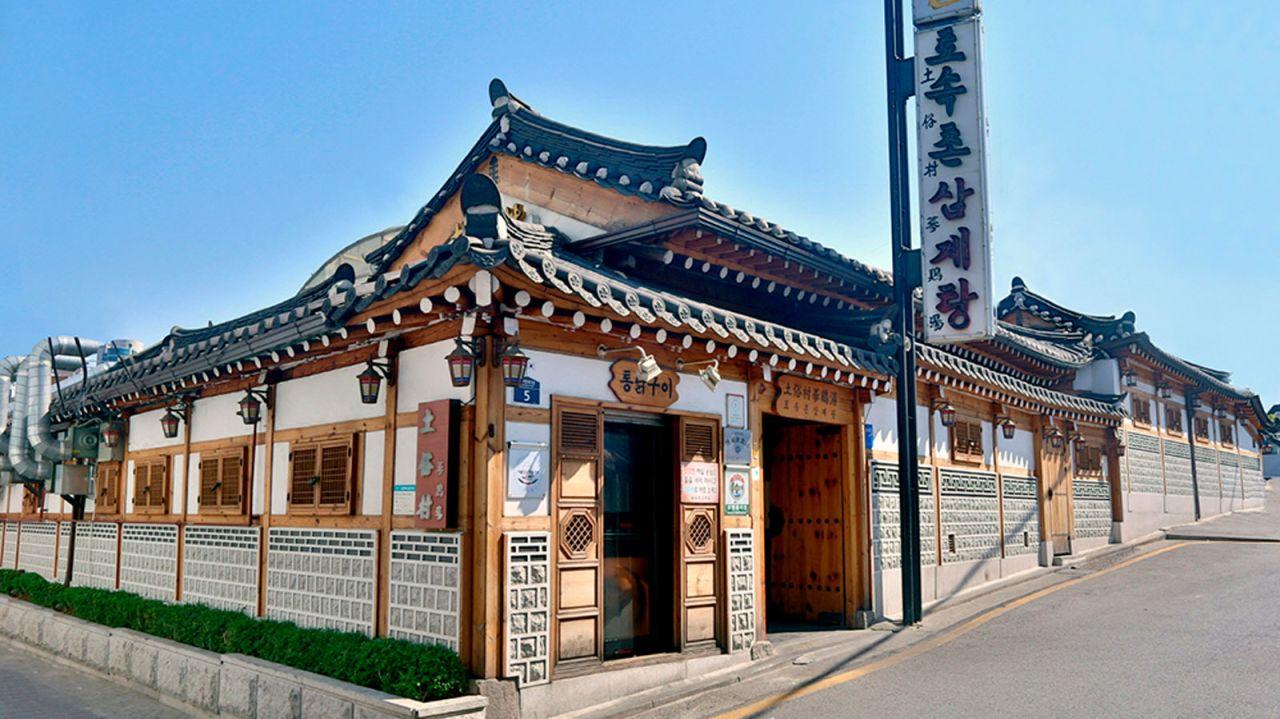
Renowned for their samgyetang, Tosokchon Samgyetang holds a special place in the culinary map of Seoul.
Photo by Tosokchon Samgyetang
The esteemed spot, Tosokchon Samgyetang, has garnered its fame genuinely. Its notable status is both a result of its distinguished patron, the late president Noh Muh-hyun, and its ubiquitous presence in Seoul guidebooks. It's a must-see spot for visitors to the city, substantiated by its enduring popularity.
The establishment has made its mark with a signature dish: samgyetang. This delicacy comprises a spring chicken, laden with chestnuts, garlic, jujubes dried to perfection, and the crucial ingredient, ginseng. This heartwarming dish, slow-cooked for several hours, is a traditional remedy for revitalizing weary souls. Traditionally, it's enjoyed on the three hottest days of summer, known as the sambok. These customs add to the allure of this traditional dish.
After savouring the unique blend of flavors, featuring a hint of sweetness and a nutty undertone, in the comforting broth, it's likely you'll crave for a return visit sooner than the subsequent summer season.
85-1 Chaebu-dong, Jongno-gu, Seoul (서울특별시 종로구 체부동85-1); +82 2 737 7444
5. Si Wha Dam (시화담)
The esteemed Si Wha Dam, owned by Oh Chung, operates with a distinct museum-like aesthetic.
A visit to Si Wha Dam is an exceptional experience as it provides a unique fusion of culinary mastery and historical appreciation.
The restaurant is virtually a treasure chest, housing a variety of antiquated artifacts and age-old relics contained in their display cases right at the entrance.
These include traditional burial accompaniments like clay ducks and roosters, from the second and third centuries, which, according to ancient beliefs, acted as spiritual connectors between the earthly and the divine realms.
Artistic sensitivities are evident in the stunning presentation of the dishes that are curated with such finesse that they could easily pass for works of art.
The dishes are thoughtfully composed. For instance, delectable flounder based fish balls shyly settle against a backdrop of pebbles, subtly complemented by a sprouting branch from an apricot tree.
What stands out about Si Wha Dam, according to owner Oh Chung, is the priority given to culinary equilibrium. He stresses, "Our aim is not to have one element overpower the other but to maintain harmony within the dish."
The gastronomical journey at Si Wha Dam unfolds with a succession of meticulously crafted plates. Each plate is adorned with fresh flowers selected on the very day and you can select from various prix fixe menus based on your budget.
Such exquisite culinary detailing, however, paradoxically results in the actual taste of the food fading away in the memory, much like a receding, vague dream.
5-5 Itaewon-dong, Yongsan-gu, Seoul; +82 2 798 3311
Exploring Cambodia’s underappreciated food culture
6. Koraebul (고래불)
Koraebul is an exquisite destination for seafood lovers. This gem of an establishment, aptly named "whale fire," lets you explore and savor uncooked sea-food. Notably, "whale fire" is a moniker this hot spot shares with a coastal zone located in the upper Gyeongsang province, which supplies and inspires Koraebul with its fresh bounty.
The restaurant, situated in the Yeoksam-dong area of Gangnam, benefits from regular supplies of freshly caught seafood parcels procured daily from eastern peninsula mariners.
Owing to the ingredients' remarkable freshness, Koraebul presents a diverse menu repertoire, predominantly featuring raw and chilled servings of whale meat, abalone, and flatfish, complemented with zesty chojang sauce or fermented bean paste, known as doenjang. However, the culinary delights don't finish there. Koraebul also offers set menus highlighting the East Sea's rich marine life, like rock octopus, clams, and turbot which is a regional specialty.
828-53, Yeoksam1-dong, Seoul; +82 2 556 3677
Jung Sik Dang (정식당): A Jewel of Korean Gastronomy
In the bustling district of Apgujeong, a unique gastronomic haven named Jung Sik Dang was established in 2009 by the innovative chef Yim Jung Sik. The name is a clever fusion of the chef's own name and a reference to a prix fixe menu. Yim’s passion for culinary experimentation was nurtured during his time at the Culinary Institute of America, where he also forged deep connections with his fellow students, who later became his partners in opening the restaurant.
This innovative dining spot is heralded as one of the pioneer eateries in Korea to incorporate molecular gastronomy techniques into traditional Korean cuisine. The venture’s success in Seoul led to the opening of another branch nestled in Tribeca, downtown Manhattan, further solidifying its international reputation.
Jung Sik Dang is known for its ever-evolving menu, reflecting not only the chef's creative whims, but also the shifting seasons. Still, one constant remains - the much-acclaimed dish, sea urchin bibimbap. This creation revisits a beloved classic, replacing the usual protein with raw sea urchin and traditional gochujang with a seaweed puree, resulting in a unique blend of salty, umami flavor. The finishing touch is a sprinkling of toasted millet for a tantalizing, smoky crunch.
11 Seolleung-ro 158-gil, Cheongdam-dong, Gangnam-gu (서울특별시); +82 2 517 4654
8. Discover the Deliciousness of Jinju Jip (진주집)
When it comes to finding a satisfying meal after a night of indulging in drinks, simplicity is key. And for those seeking a hangover remedy, there is nothing quite as comforting as a steaming bowl of hearty beef soup.
Jinju Jip, tucked away in an unassuming alley near Namdaemun, caters to this exact need by staying open 24 hours a day. Their specialty dish is a meticulously braised oxtail soup that boasts tender meat that melts at the slightest touch of a spoon.
According to Jun, this soup holds a universal appeal and is not only affordable but also offers a comfortable dining experience.
If you find yourself craving this delightful soup, make your way to Jinju Jip at 34-31 Namchang-dong, Jung-gu, Seoul. You can also reach them at +82 2 318 7072.
9. Explore the Tantalizing Flavors of Byeokje Galbi (벽재갈비)
While searching for the best Korean restaurants in Seoul, one cannot miss out on the mouthwatering experience that awaits at Byeokje Galbi.
This restaurant boasts a menu filled with delectable choices, but their specialty lies in their perfectly grilled galbi, a popular Korean-style barbecued beef dish. With each juicy and tender bite, you'll be transported to a flavorful paradise.
To savor the delightful offerings of Byeokje Galbi, head to their location at [insert address], and prepare for a truly unforgettable culinary journey.
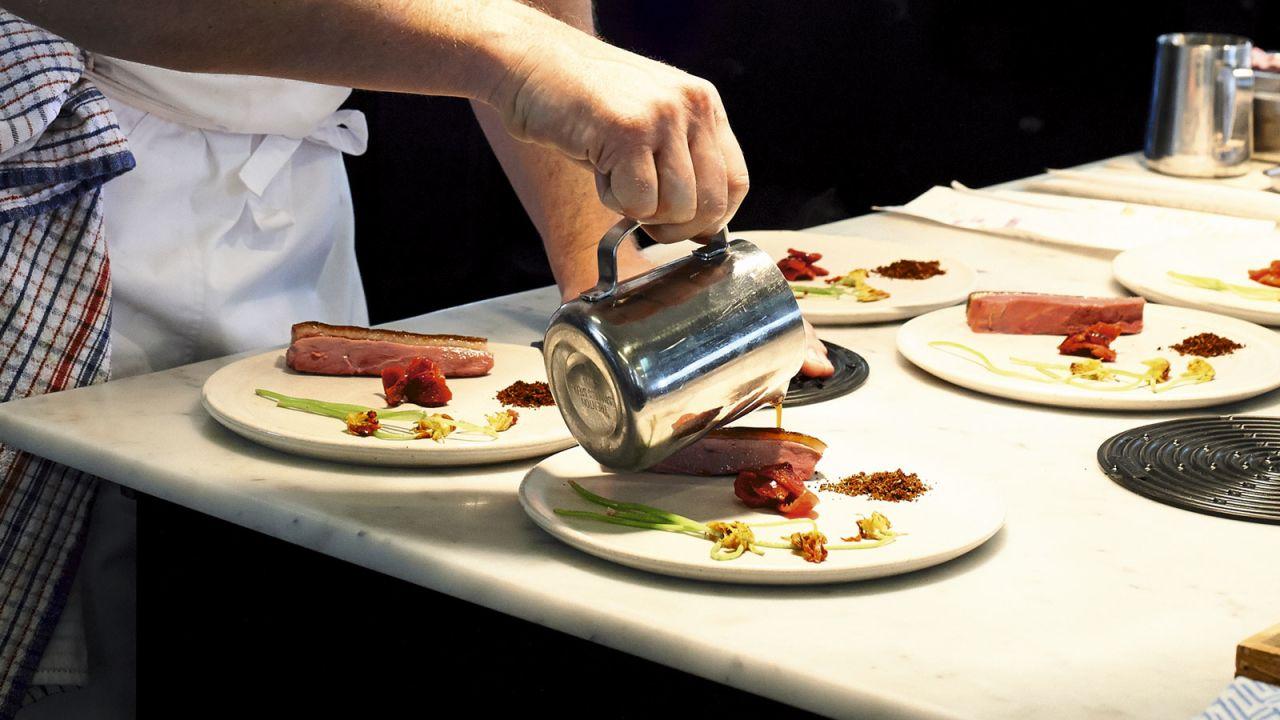
When it comes to Korean barbecue in Seoul, Byeokje Galbi shines as a top choice. Specializing in discovering, raising, and serving the finest quality hanwoo, or organically fed Korean cows, their commitment to offering the best meat is unrivaled.
Unlike many other barbecue restaurants, Byeokje Galbi prioritizes the melt-in-your-mouth experience that Seoulites crave. Comparable to the famous Japanese Kobe beef, Korean beef has become synonymous with tenderness and rich flavors.
Located at Bangi-dong branch, 1-4, Yangjae-daero 71-gil, Songpa-gu, Seoul, Byeokje Galbi is a must-visit destination for meat lovers seeking an authentic and exquisite Korean barbecue experience. Contact them at +82 2 415 5522 to reserve a table today.
10. Congdu
An exceptional culinary experience awaits at Congdu, a distinguished Korean eatery that instils an element of history by being originally located at the Seoul National History Museum. The exquisite gourmet venue now graces the regal former residence of the last emperor of Joseon's grandmother.
Congdu prides itself on serving some of the most superior Korean dishes in Seoul. The remarkable creation of these gourmet delights is led by Vivian Han who undertakes extensive travel across Korea, curating the finest local suppliers and ingredients for the restaurant.
Empowered with the vision to imbibe authentic Korean flavours with inventive culinary techniques, Vivian ensures that her contemporary menu gratifies the palate of modern gourmands. She maintains a balance of traditional Korean tastes and textures, enhanced with a modern twist.
The gastronomic fame of Congdu is held by its renowned ganjang gejang (soy sauce crab), a delicious dish forged with Korean blue crab. Served alongside white rice and dried seaweed, it’s an absolute touchdown for epicurean taste buds.
Congdu, 116-1 Deoksu Palace-gil Junggu; +82 2 722 7002
Famed food and travel writer Alex Jung's obsession with food is only tamed by his stomach's capacity.
Editor’s memo: The first edition of this article saw the light of day in 2012. A revised and remodelled version was brought to readers in 2017.