The dream of a lifetime for many, a safari in South Africa can take many forms: from escaping into the remotest bush to immersing oneself in the most extreme luxury, the range of experiences can satisfy all needs... and pockets.
When to go
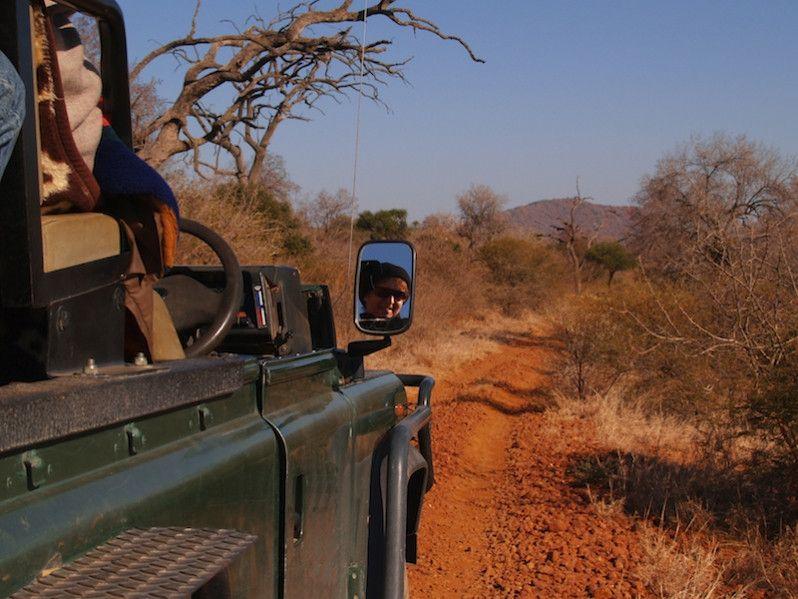
For wildlife watching, winter ( June to September) is the ideal season: many trees are leafless, making sightings easier. The scarcity of food and water then drives the animals out into the open. The South African summer ( December to February) sees the country at its busiest, but it is less easy to spot wildlife. It is much easier to spot European visitors, who flock here in herds.
Recommended guides and products:
Travel guide
South Africa, Lesotho and Swaziland
Choosing the right park
South Africa has around 300 national parks and reserves. The possible experiences are almost limitless, from the most desolate places to the savannah teeming with life. You can join a guided safari, move independently or seek peace in a remote camp. There are solutions for those on a budget (with some risk of overcrowding) and there is no shortage of roads that can be travelled with a rented car.
For your first safari, consider these aspects:
a. The Kruger National Park is the great safari reference. It is crowded in some areas, but there is always an escape route, as it is roughly the size of Lombardy. All the big animals of Africa live here. You can stay in spartan camps or in very cosy cottages. Around the park there are towns like Nelspruit where all kinds of hotels, hostels and resorts await you. The downside is that safaris can start at dawn and the drive to the park sometimes takes an hour or more.
b. Hluhluwe-iMfolozi Park combines beautiful scenery and unexpected wildlife. It is located in the heart of Zululand, where the Zulu culture still reigns. The beaches that dot the Elephant Coast are some of the most beautiful in South Africa, so you can go on safari and immediately dive into the blue. The park is also known for its network of hiking trails, which include multi-day itineraries and bush camping.
Choosing a private reserve
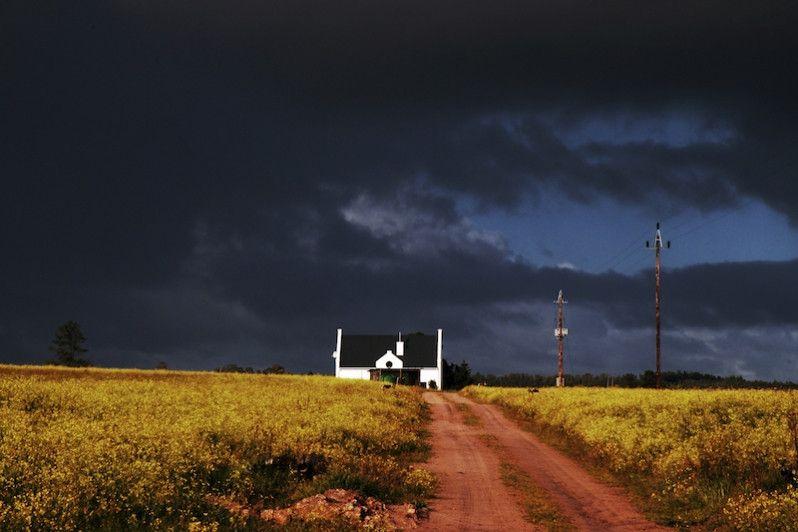
There are two reasons not to choose a private nature reserve: it is too expensive and it is too convenient. These are not places for travellers on a budget, nor are they places for travellers looking for adventure in the wild. In some private lodges, adventure means that at best the champagne after the safari will be served to you without the wild strawberries... That said, if you are looking for the ultimate safari experience, keep in mind that lodges in private reserves offer:
a. Close proximity to wildlife. Not only will you avoid a long drive before you start your safari, but the thud you hear in the window at night could be that of an elephant peeking into your room. Sabi Sand, which borders the Kruger, is considered by many to be the best place to observe animals.
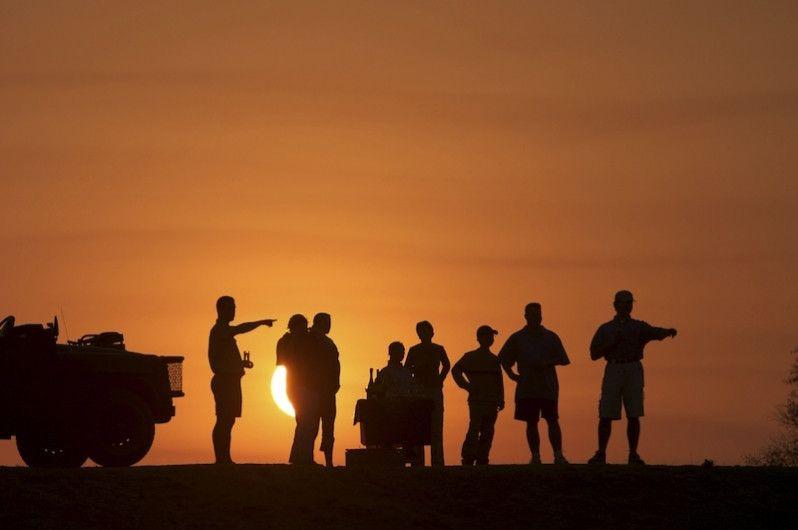
b. No crowds. You travel in jeeps that accommodate a maximum of six people, and not in caravans as in the big parks, the guides pay close attention and when you spot a lioness with cubs, there is no frantic race for the nearest off-roader.
c. Luxury. Some private lodges are cosy and nothing more, but some, such as the Ulusaba lodge in Sabi Sand, are the haunt of the rich and famous, such as the owner Richard Branson (the Virgin one), and they don't let their guests want for anything.
d. Customisation. You can create your own menu of activities and experiences, choosing to be guided through the bush or to go on a species spotting trip. At the Samara Private Game Reserve, in a green valley nestled in theEastern Cape desert, you can hike trails that will take you within a few metres of a cheetah's snout.
One way to save money is to stay in a private reserve for a few nights at the beginning of the trip. Take advantage of the preparation of the guides and the abundance of wildlife to learn a lot about the nature of South Africa right away. Then, with this great wealth of experience, you can relax in a national park, slow down the pace and observe Mother Nature at close quarters.
Sign up for our newsletter! For you weekly travel tips, special offers, stories from the world and 30% discount on your first order.
Rely on a guide
The first time your guide takes you on the trail of a leopard, you will thank yourself for not relying on your own strength. A good guide will not only keep you safe from lions, but will make you appreciate all the intricacies of the bush. In private reserves, the service is included in the price, but in national parks you will be tempted to do without. Luck might assist you (as happened to us at Kruger), but the risk is that you will miss out on many interesting things.
Avoid Big Five anxiety
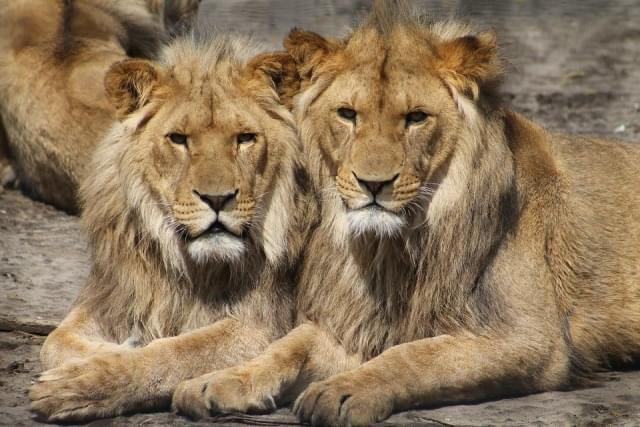
Yes, seeing lions, leopards, buffalo, elephants and rhinos (the so-called Big Five) is worth the trip. You will find the two magic words (coined by hunters in the 1920s to indicate the most dangerous prey) everywhere, even on buses. Zebras, hippos and giraffes are not bad either. Choose the animals you don't want to miss even among the less famous ones. You can't say you know the ferocity of a warthog if you haven't seen one. And an alert impala herd will remind you that danger lurks even in the beauty of the savannah.
Drive or fly?
You can get within a stone's throw of Kruger park by flying from Cape Town or Johannesburg. If you are in a hurry, flying is the best way. Many other parks are well served by internal flights and some lodges will make arrangements for you. If you have time, however, driving in South Africa is a worthwhile experience. Also because there are not only parks and reserves, but also wine routes and small towns to discover. For example, from Johannesburg you can reach the Kruger or Sabi Sand in a day's driving or make a stop at Pilgrim's Rest, a charming little town that was a key player in the gold rush around 1880 and whose atmosphere has not been affected by restoration or other interventions.
Bring the right things
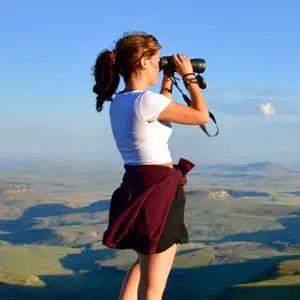
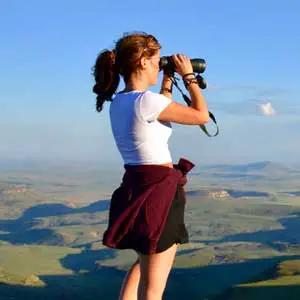
Dawn safaris in the Kruger can be surprisingly cold. Layers, including gloves and cap, can be taken off as the temperature rises. Binoculars are essential, but don't expect them to be provided by lodges or guides. A compact model will ensure you don't miss the movements of the crawlers in the distance. And don't rely on wi-fi in the bush, so a good guide is essential.
Relax, above all
Apart from not chattering your teeth on a dawn safari, try to relax. The guides will do their best to let you observe the animals, but not all wishes can always be fulfilled. Animals aside, the landscape itself, the beauty of the waterholes in the desert reflecting the vastness of the sky and the singing of the birds are aspects to be enjoyed to the full. So, don't get anxious about completing your zoology checklist and don't spend all your time with your eyes on the camera lens. Sometimes, the magic moment of the safari is when you see nothing at all.
Related articles
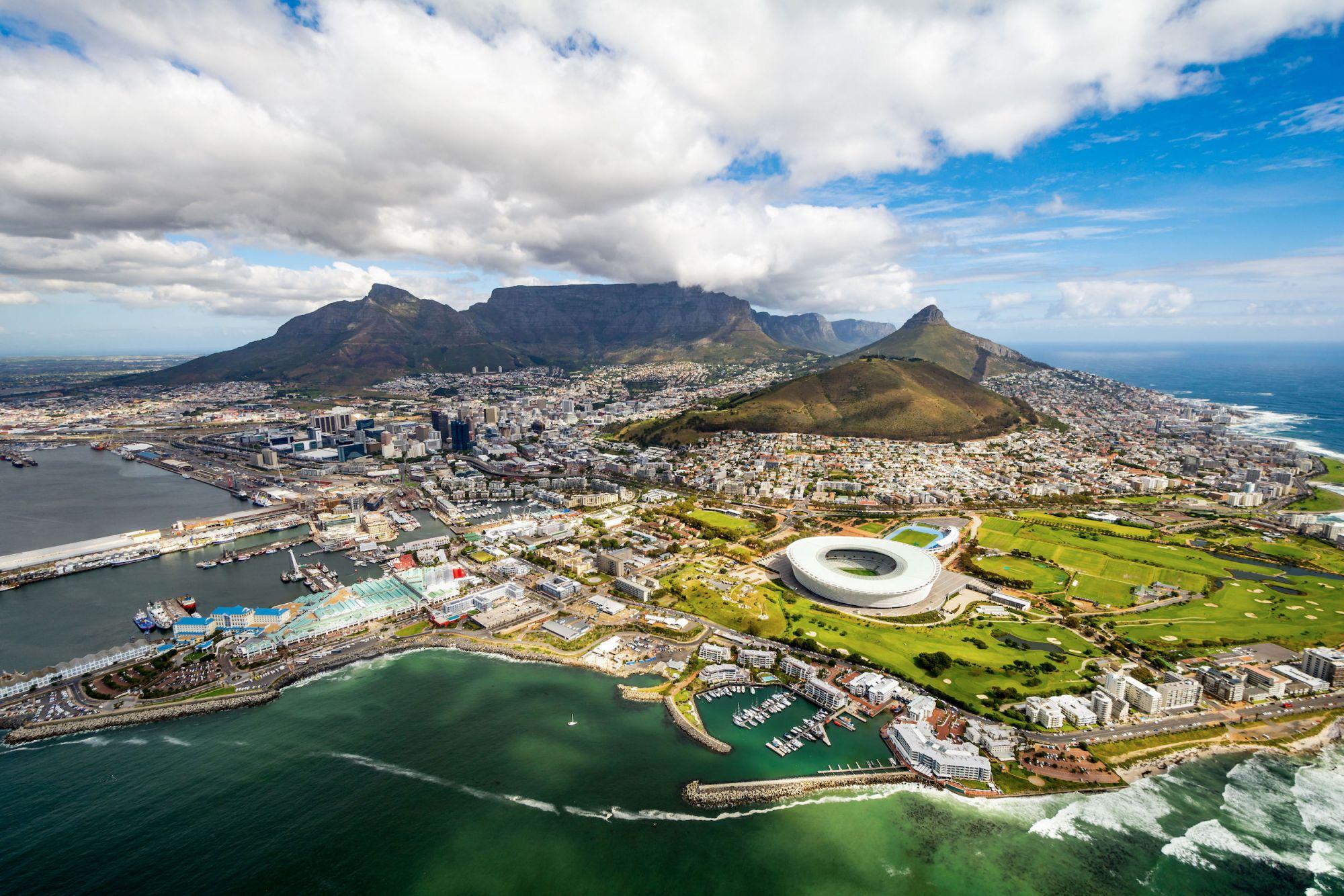
South Africa: 7 things to see and do in Cape Town
South Africa Sights: the 13 most beautiful places
Township Tourism in South Africa: On the Road in Soweto
Safari in South Africa: These are the most beautiful parks for safaris + travel tips
Safari in South Africa: prices, when to go and where
Holidays in May 2024: Where to go? Best destinations and temperatures
Travel Ideas |10 destinations for a holiday with friends